Balance service levels with inventory investment
Reduce stockouts and excess inventory with replenishment quantities and timing that adapt to changing demand and supply conditions.

Trusted by companies making high-stakes supply chain decisions





Make replenishment plans reflect how your supply chain operates
Structure inventory decisions around the way stock moves, the rules your orders must meet, and the information planners need to act on recommendations with confidence.

Plan beyond isolated SKUs and locations
Account for inventory dependencies across the supply chain when determining replenishment needs.

Keep recommendations operationally realistic
Reflect the ordering rules and supply conditions that determine what can actually be replenished.

Know why the system recommends an order
Inspect the planning logic behind recommended quantities, timing, and projected inventory.
Handle the inventory conditions that make replenishment complex
Plan across different supply structures, replenishment policies, ordering rules, product constraints, and distribution requirements.
End-to-End Inventory Planning
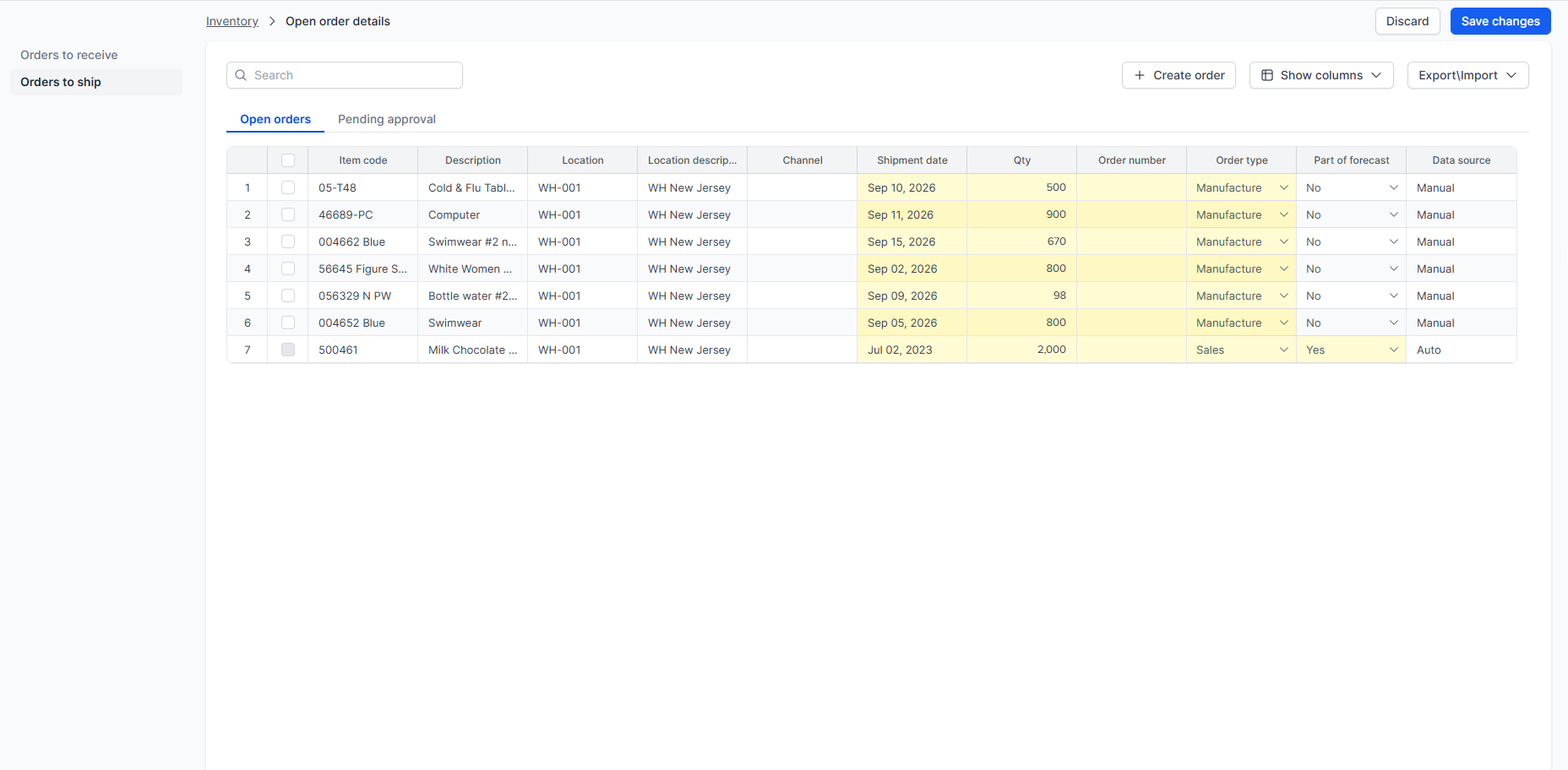
Keep inventory aligned from demand through replenishment across purchase, transfer, and manufacturing flows
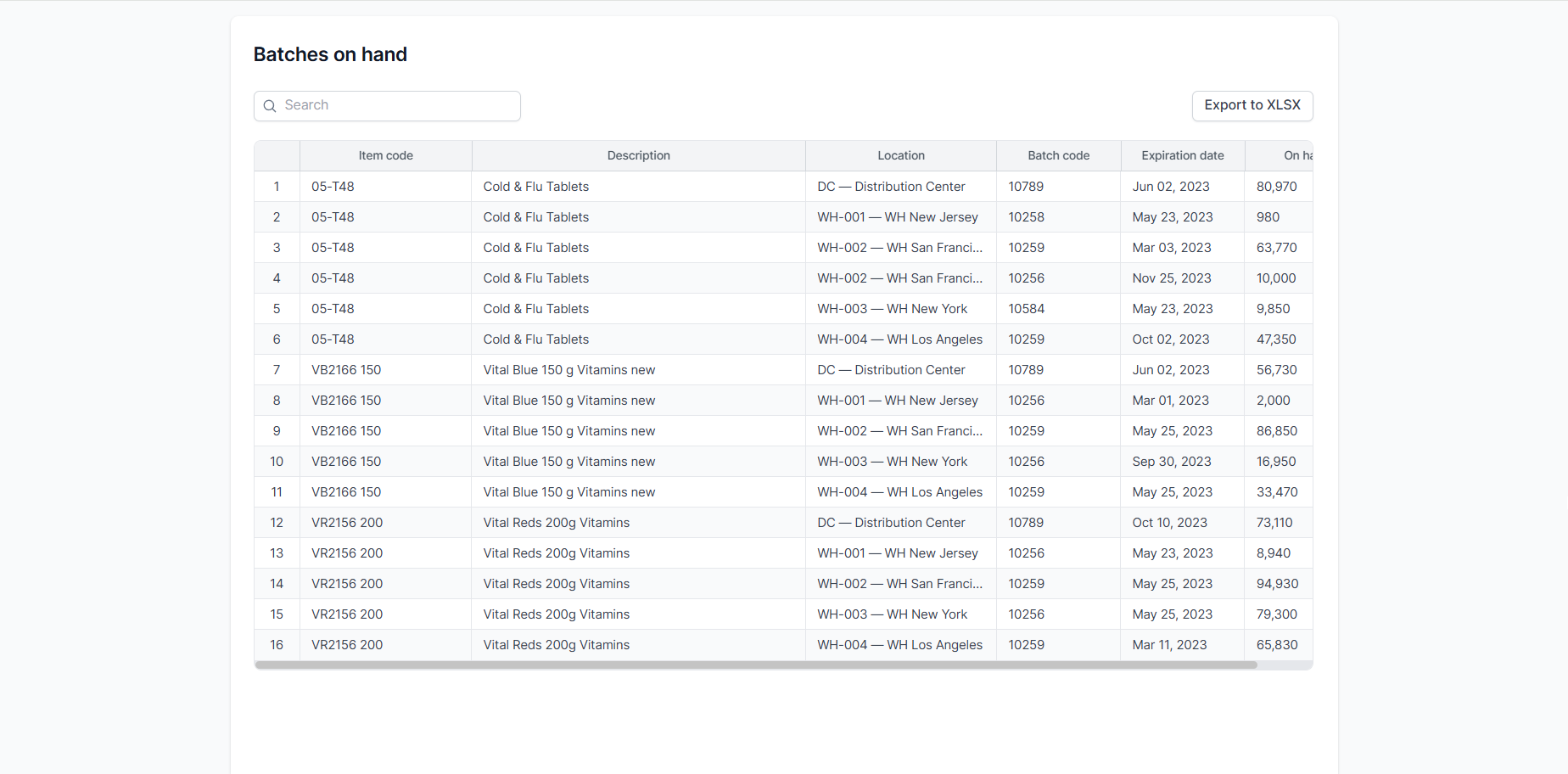
End-to-End Inventory Planning
Keep inventory aligned from demand through replenishment across purchase, transfer, and manufacturing flows
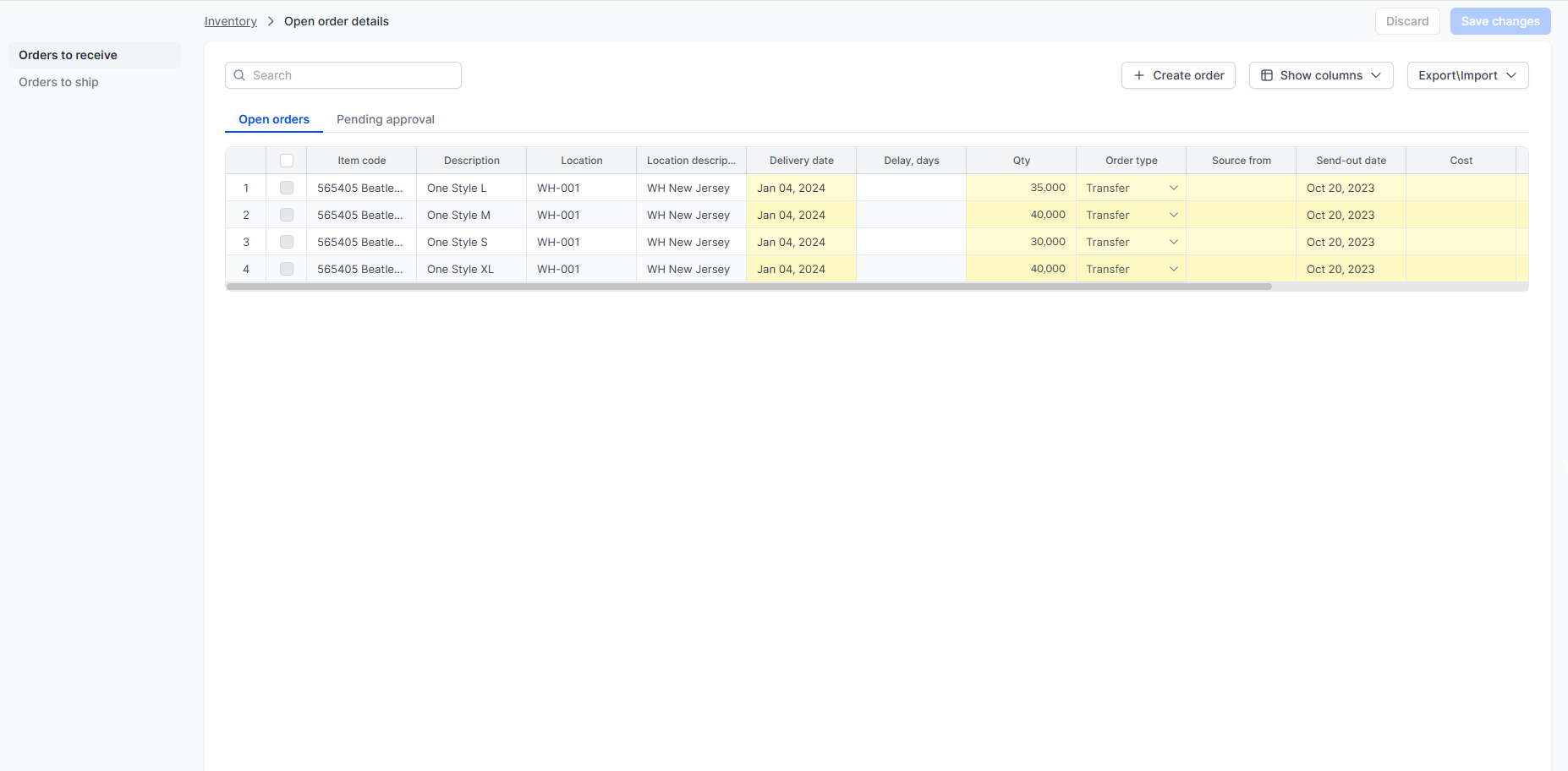
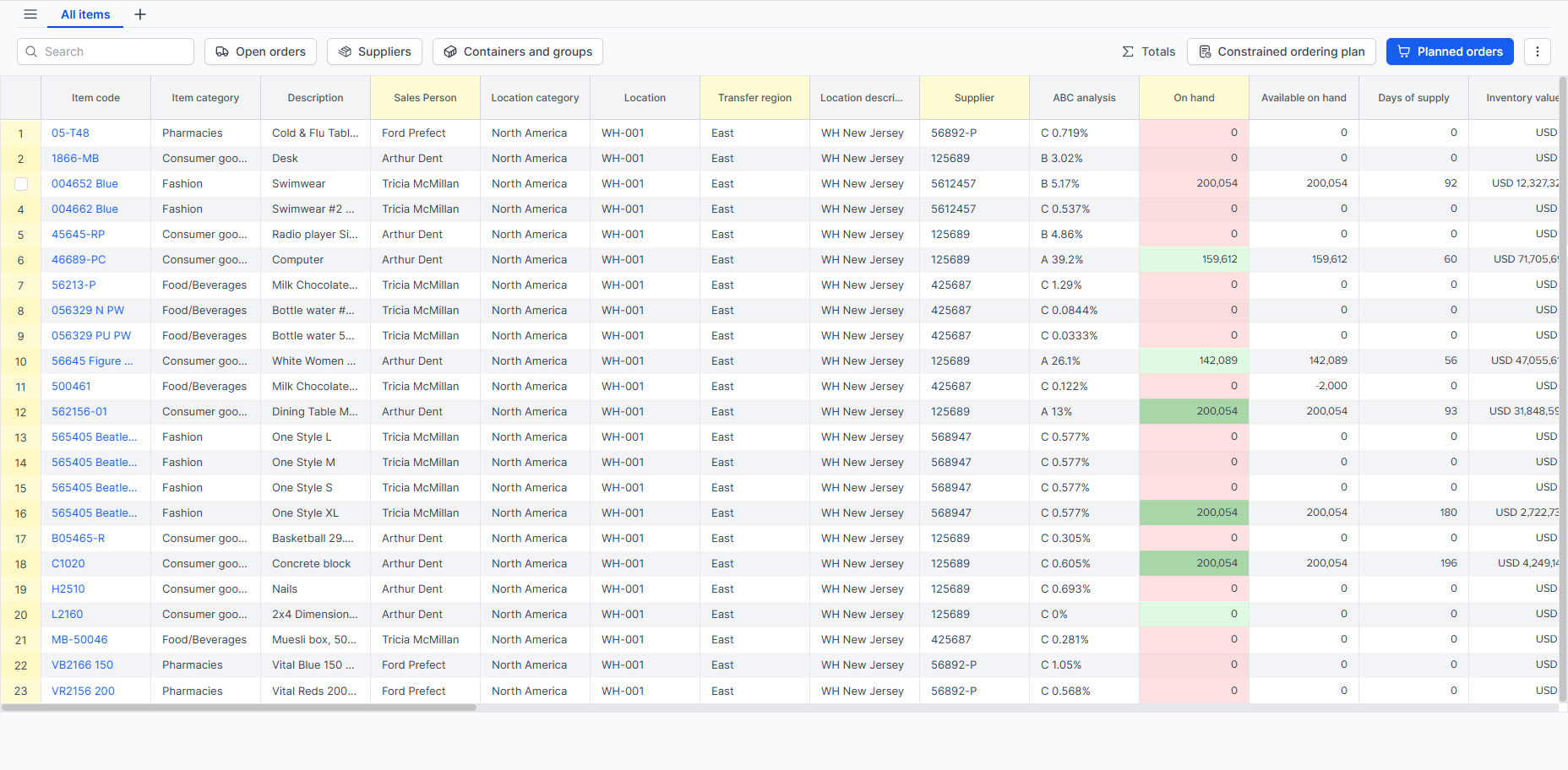
Automatic Replenishment & Allocation
Set the right replenishment quantity, timing, and supply source for each item at every location.
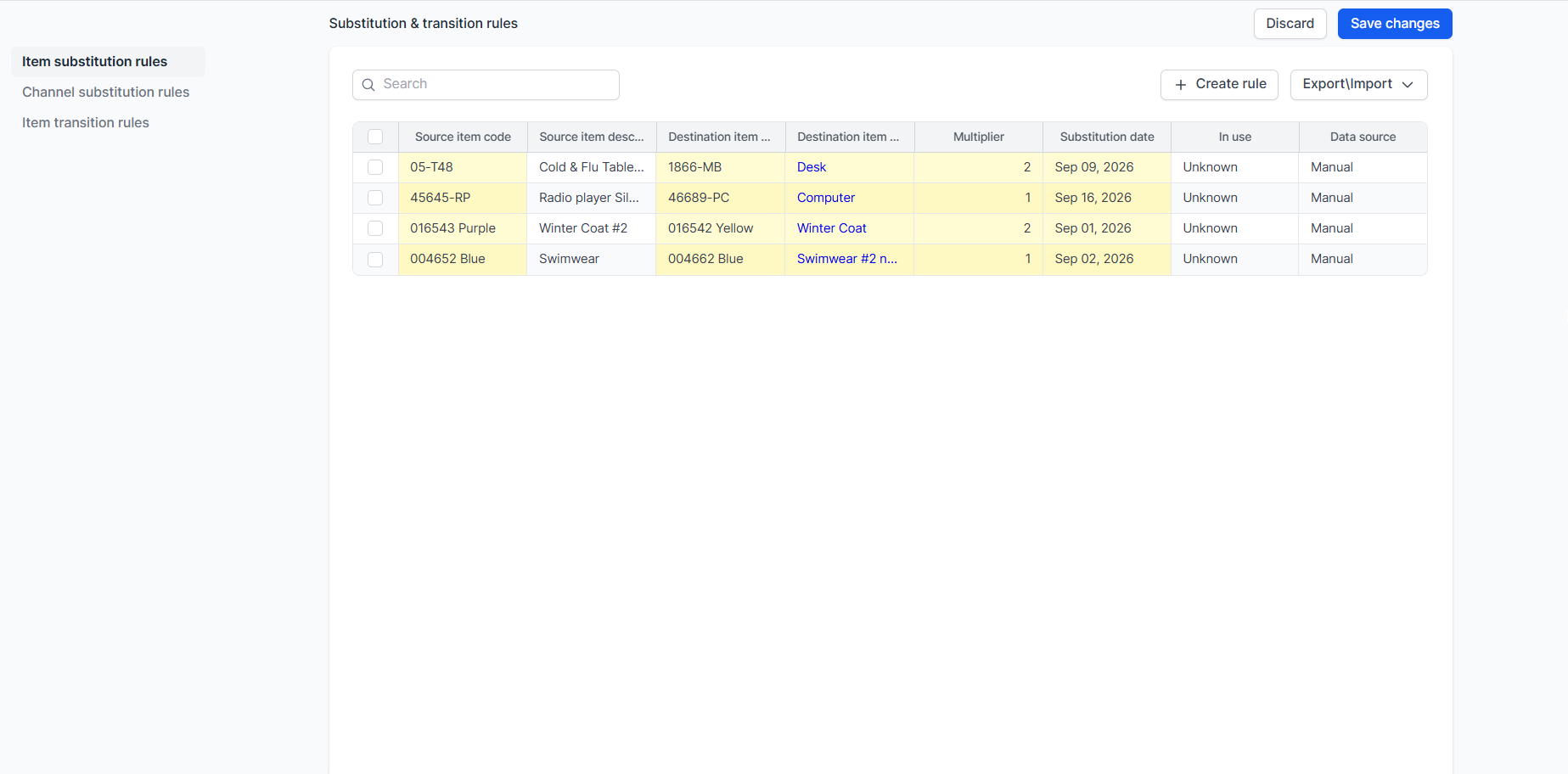
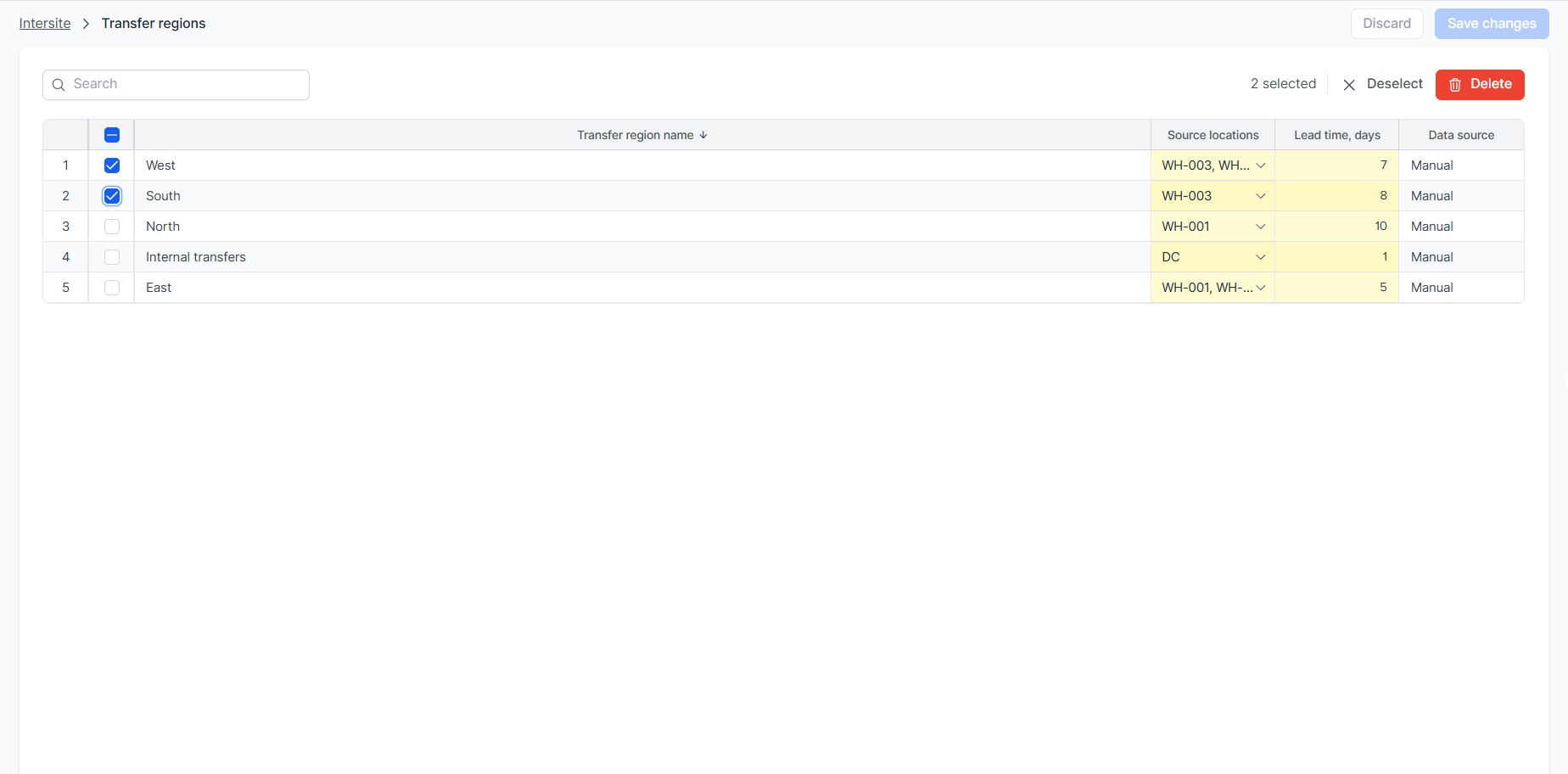
Intersite Optimization
Rebalance excess stock across locations to cover replenishment needs while respecting transfer regions and quantity constraints
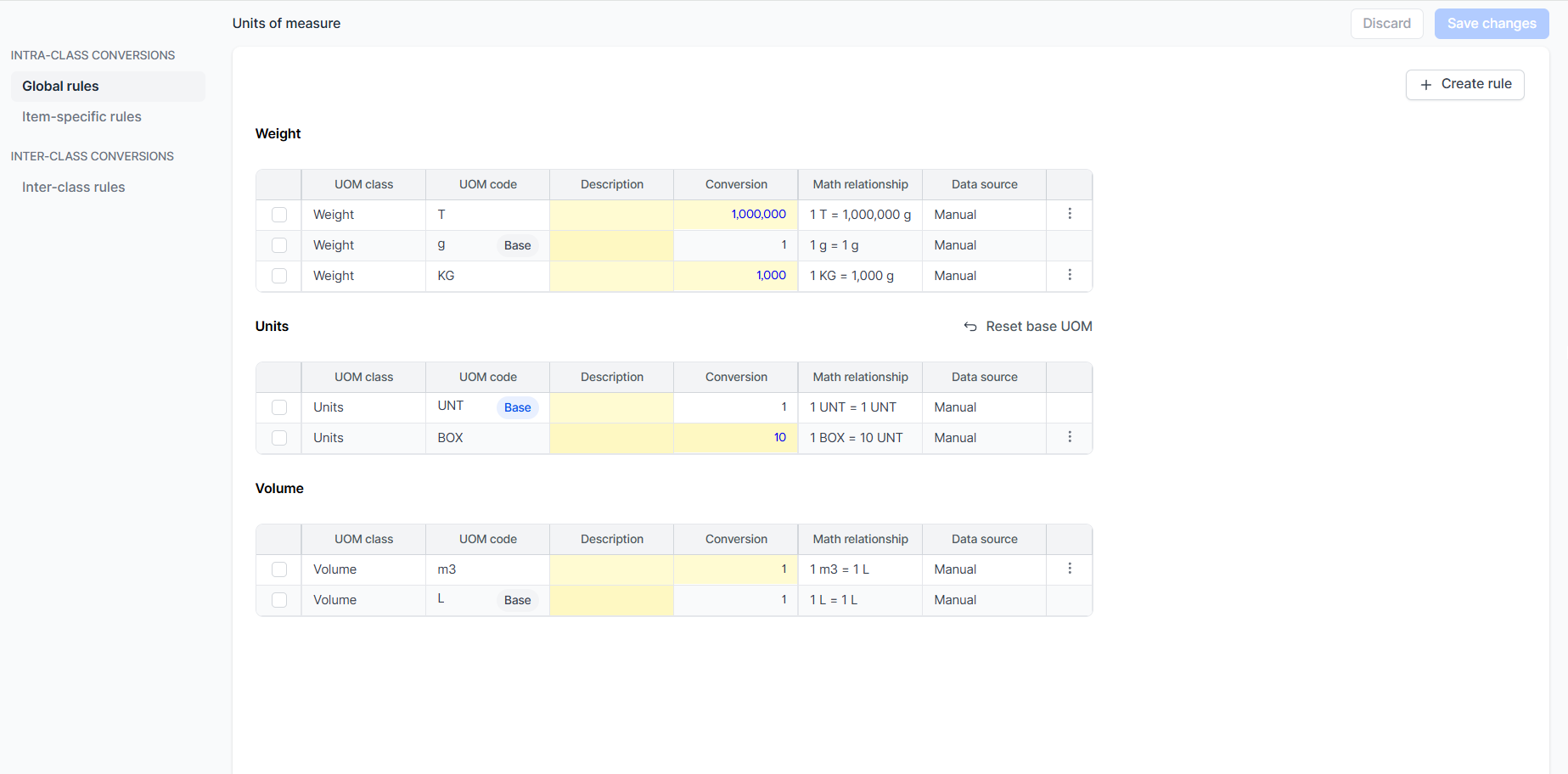
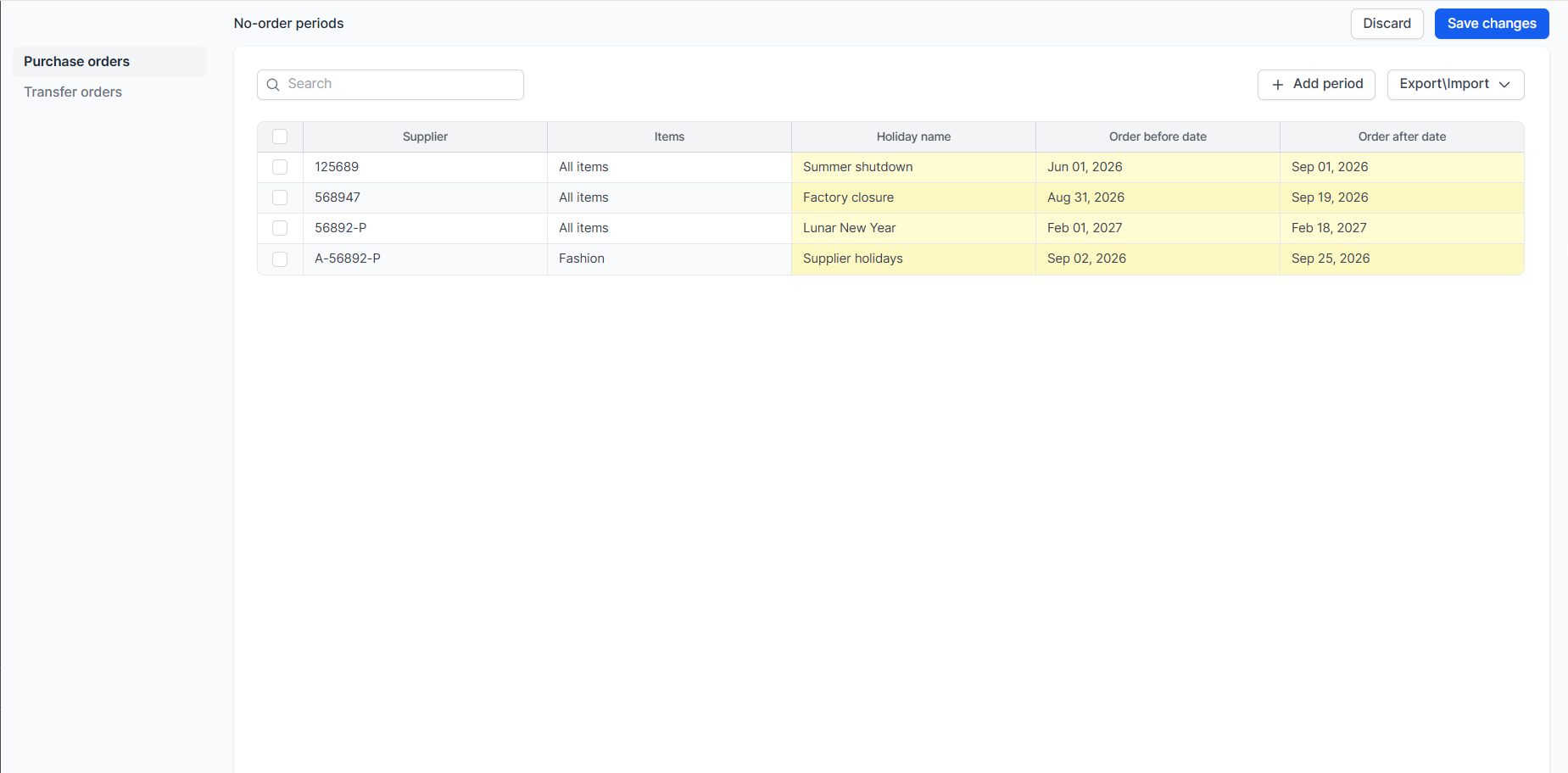
Constraint-Based Planning & Replenishment
Build replenishment plans that reflect real ordering constraints across future periods and their impact on inventory
Shelf-Life Planning
Order against expected demand and shelf life to reduce expiry risk and keep projected write-offs under control
Container-Based Ordering
Fill containers around replenishment demand by adjusting SKU quantities to available capacity
Group Ordering
Coordinate replenishment across grouped SKUs within shared quantity, weight, volume, or cost limits
Multi-Echelon Inventory Optimization
Balance inventory across every echelon by linking upstream stock needs to downstream demand, safety stock, and replenishment flows
Take planned orders through approval and execution
Adjust quantities and purchasing details, route orders for approval, and pass approved recommendations into the next execution step.
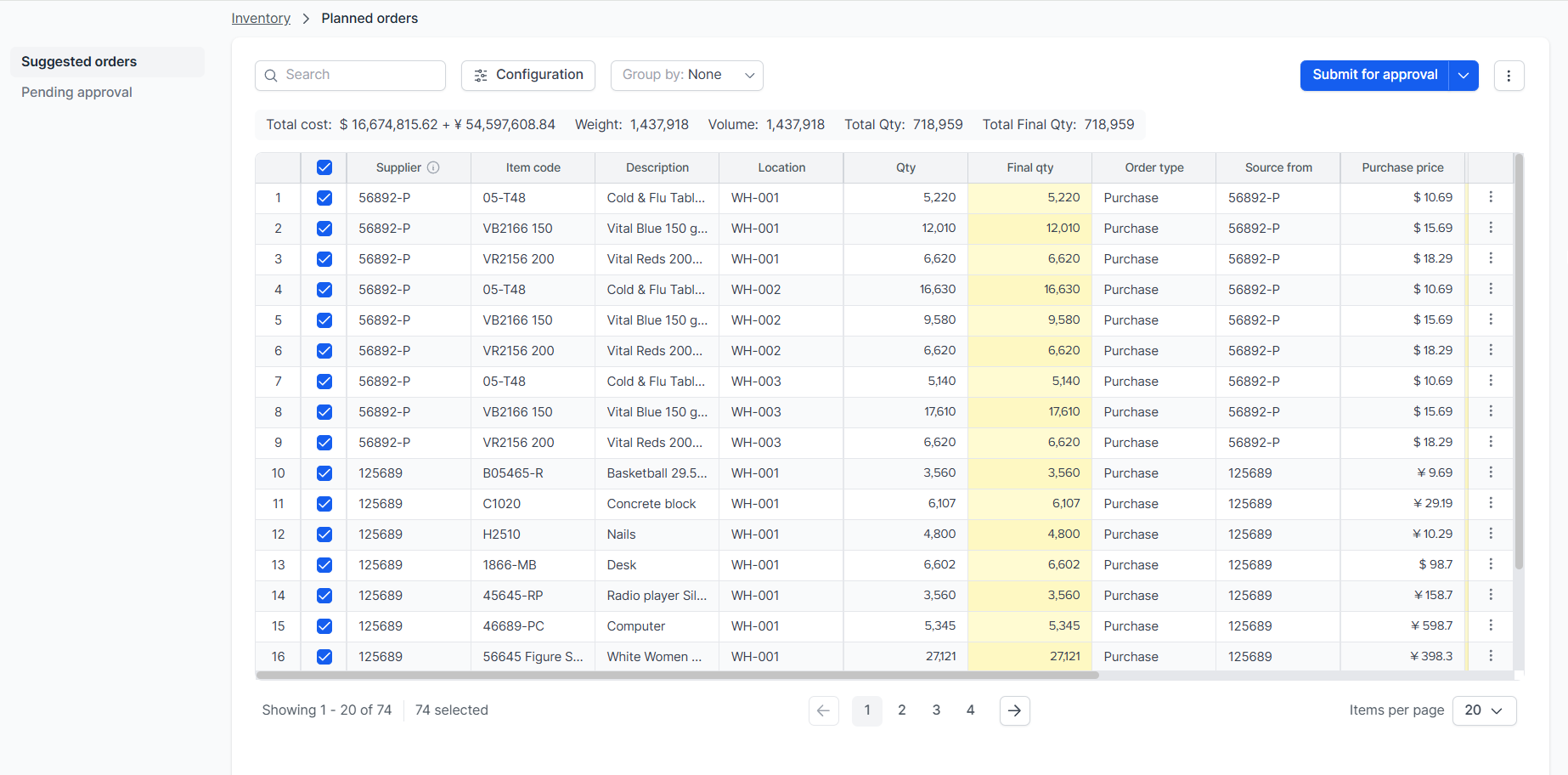
Change final quantities or purchase prices, add notes, and split order lines between multiple suppliers where configured. Procurement can resolve sourcing details before approval and pass cleaner orders into execution.
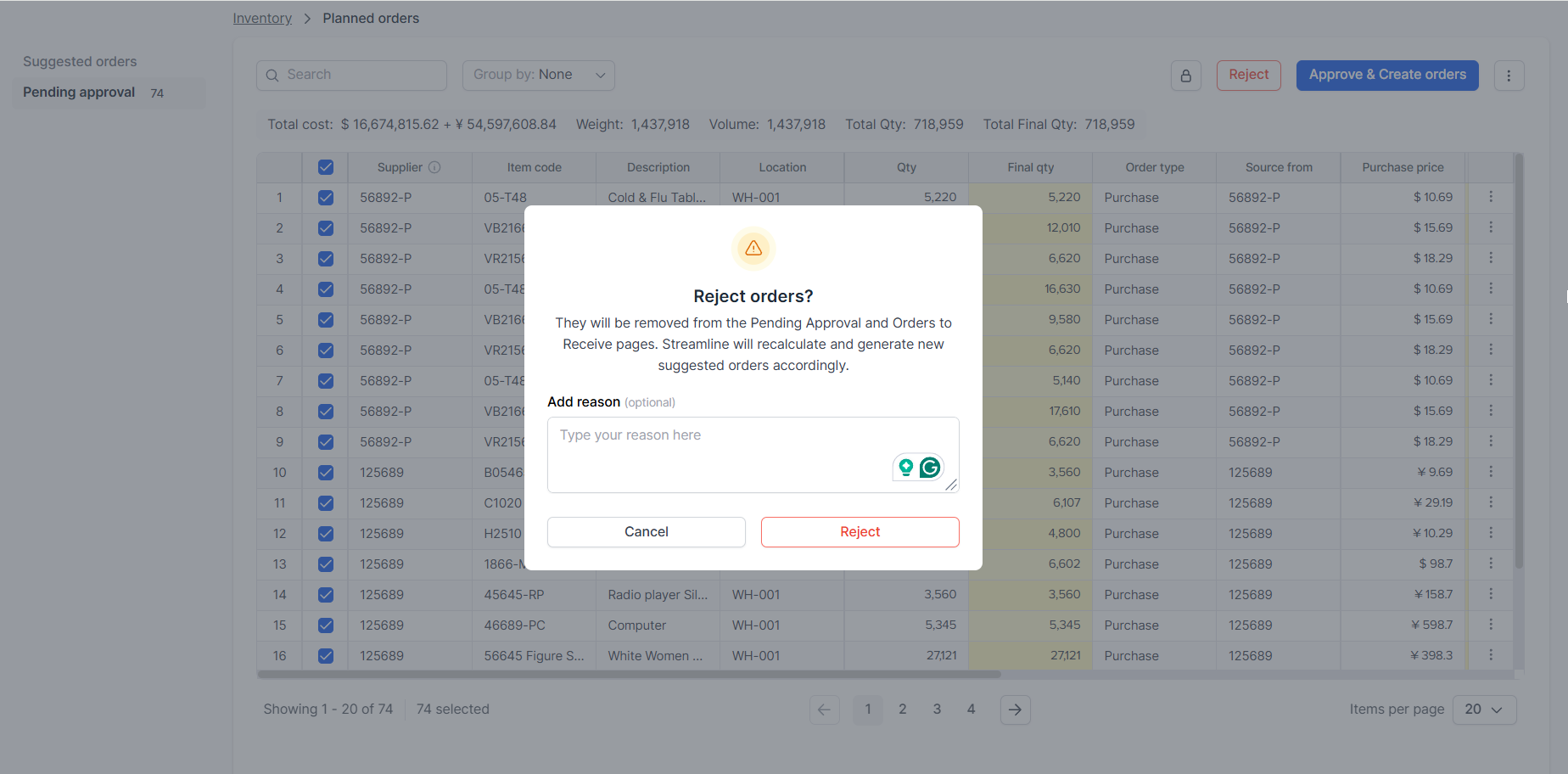
Submit selected lines for approval, approve or reject them, and lock editable fields when needed. Keep order changes controlled and prevent approved details from being altered before execution.
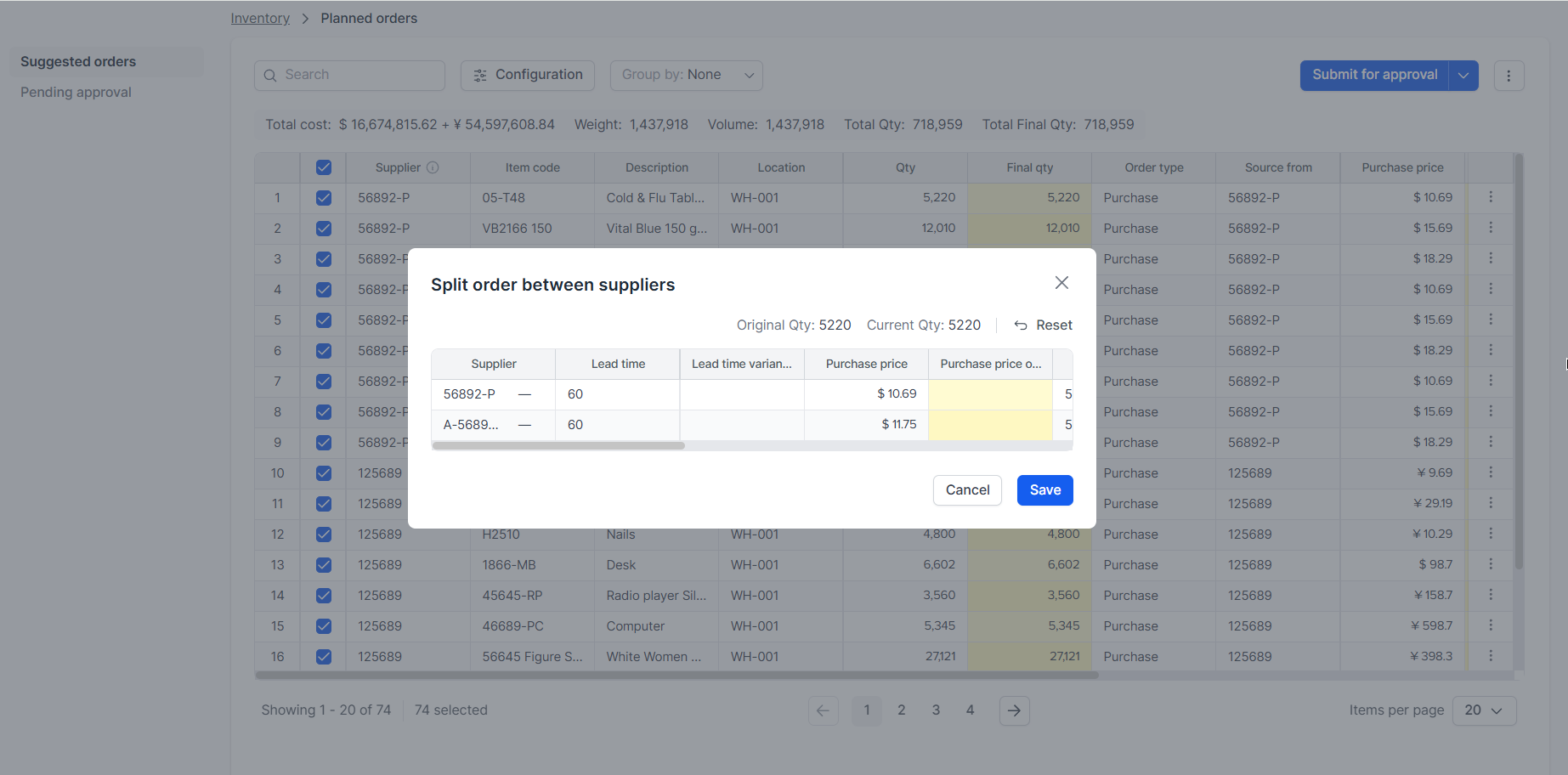
Filter planning items, group purchase orders by supplier or transfer orders by source location, and prepare related orders for approval and execution in a more structured way.
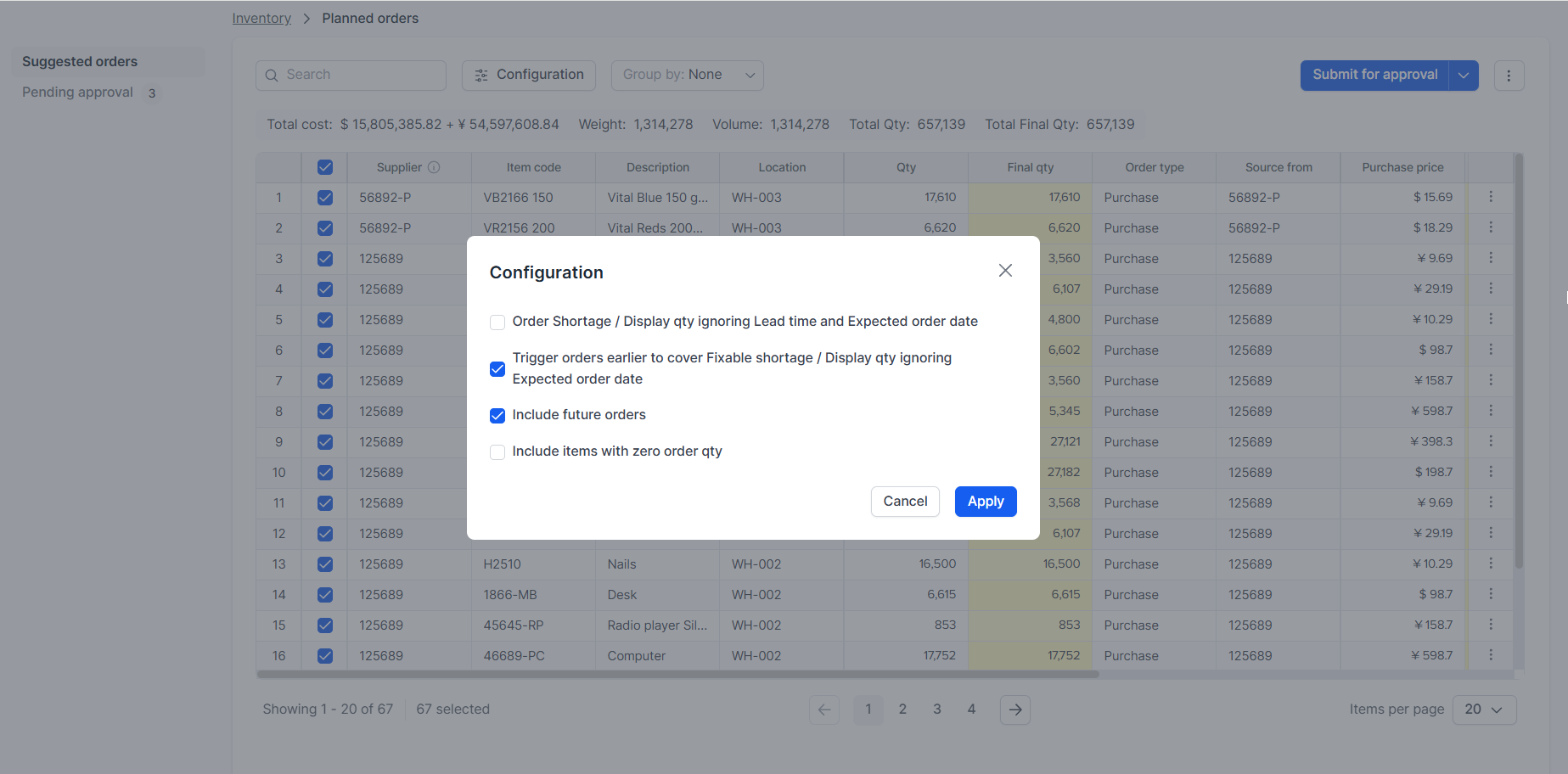
Export selected order lines to XLSX or CSV, or create native orders directly in a connected ERP where supported, so approved recommendations can move into execution without extra manual handoffs.
Maximized Demand Planning Efficiency for a Marketplace Agency
“Combining our team’s marketplace expertise with Streamline has resulted in 95%+ in-stock rates while ensuring inventory is turning over every 60 days, yielding high conversion rates and minimizing storage fees.”

Dayne Malloy
Vice President of Operations at Brandwoven

Automate model selection and simplify inventory analysis
Streamline automatically matches forecasting methods to demand patterns, while its AI Assistant lets planners retrieve, filter, and analyze planning data in natural language.
Іmprove the demand signal behind inventory plans
Recognize seasonality, trends, anomalies, and intermittent demand and apply the right method.
Analyze planning data through natural language
Retrieve and analyze data with the AI Assistant, with queries mapped to the closest available metrics.
Build inventory-focused views with natural language
Create and refine filters to isolate the SKUs, locations, and planning segments you need to analyze.