Improve forecast accuracy across products, locations, and channels
Spend less time maintaining forecasts and give supply teams a reviewed demand plan for balancing product availability and inventory exposure.

Trusted by demand planning teams worldwide





Build forecasts on demand signals you can trust
Reduce avoidable forecast corrections and keep supply planning on the version the demand team has reviewed.

Handle different demand patterns at portfolio scale
Plan stable, seasonal, and intermittent items in the same portfolio, each with a forecasting approach suited to its demand behavior.

Protect forecast quality when sales history is misleading
Correct shortage-affected sales, isolate abnormal spikes, and prevent unreliable periods from carrying into the forecast.

Create a clear handoff to supply planning
Separate the forecast released for supply planning from the working version your team continues updating.
Bring every demand driver into one forecast
Combine recent sales with promotional uplift, seasonal patterns, channel-specific demand, new-product assumptions, and planner input in the forecast used for inventory and replenishment calculations.
AI Demand Forecasting
Automatically match each item to its right forecasting model based on its own demand pattern, freeing planners to focus on exceptions and higher-value adjustments.
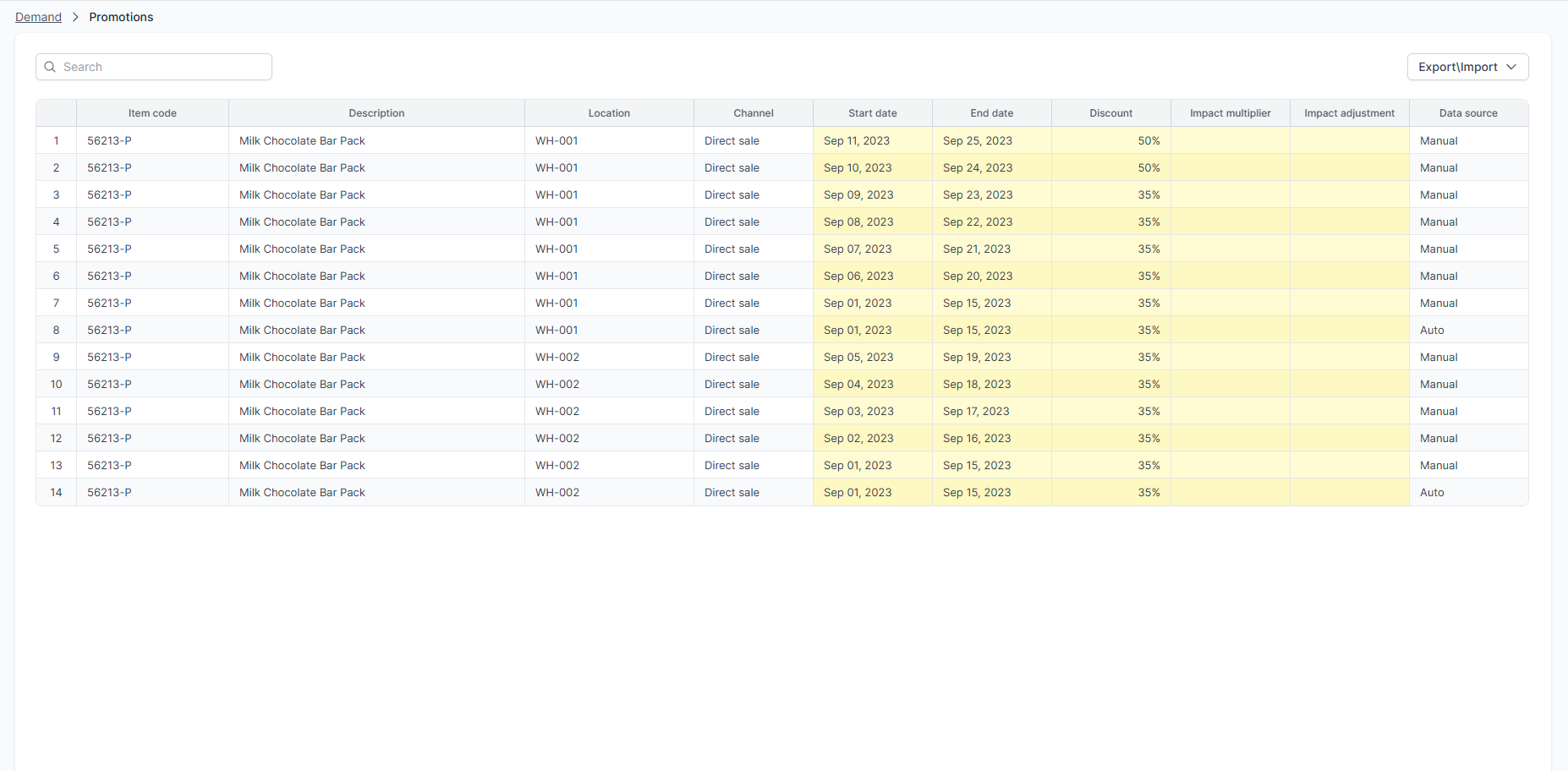
AI Demand Forecasting
Automatically match each item to its right forecasting model based on its own demand pattern, freeing planners to focus on exceptions and higher-value adjustments.
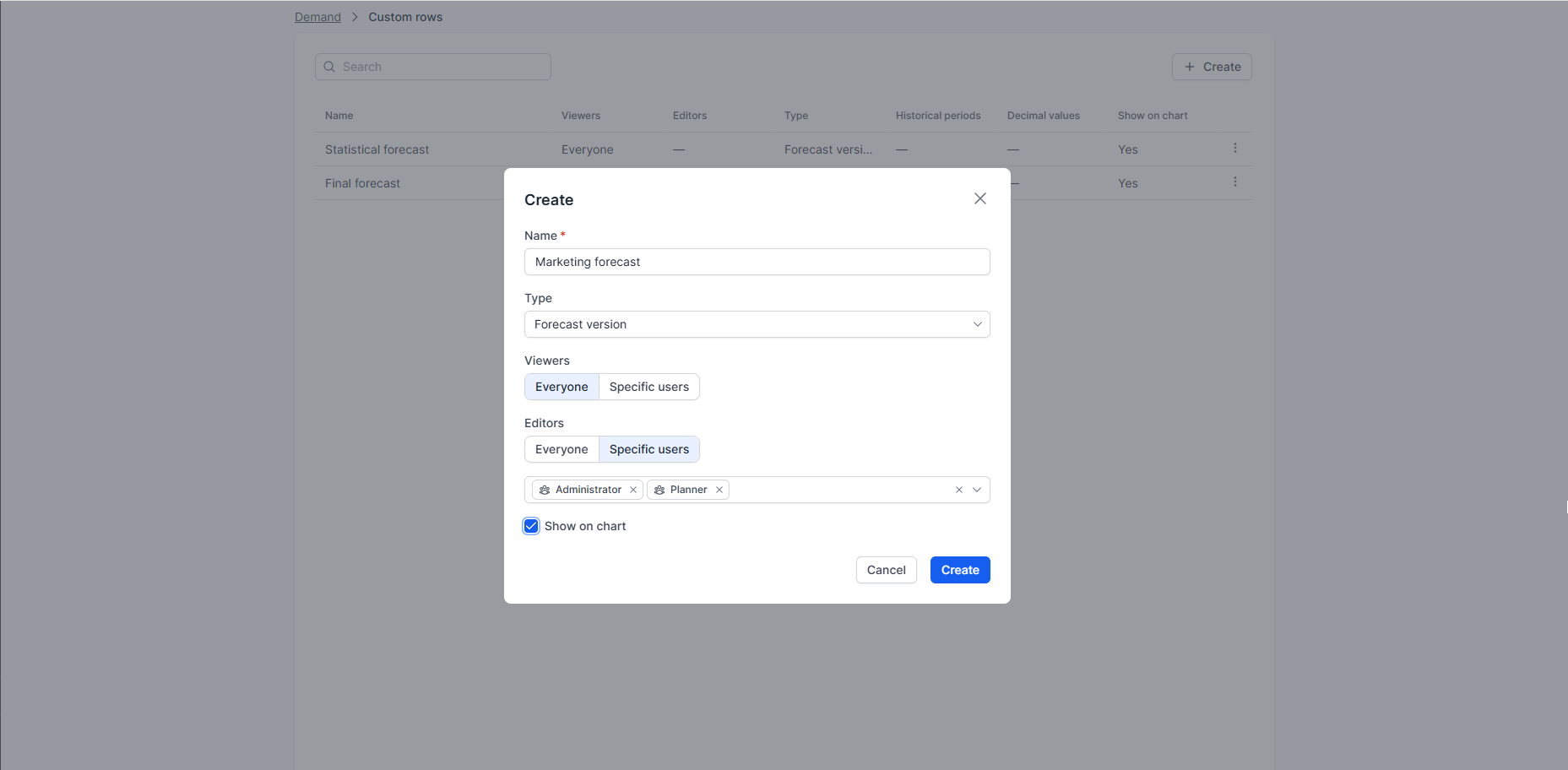
Demand Sensing
Ground forecasts in what's happening right now to sync recent sales and adjust for real demand behind any stockout.
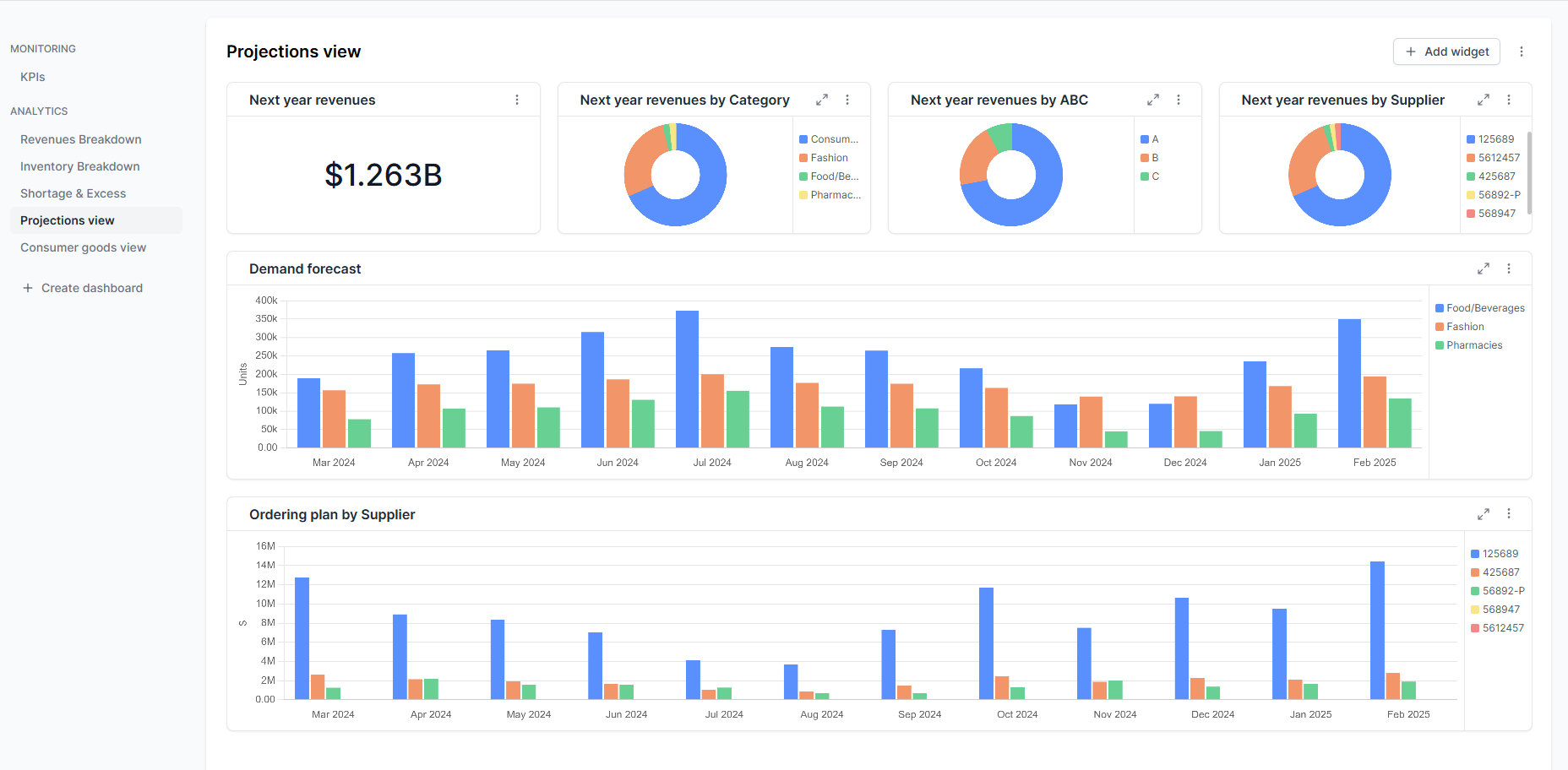
Promotion Planning
Walk into every promotion knowing exactly how much extra demand to expect and how much inventory it will take to cover it.
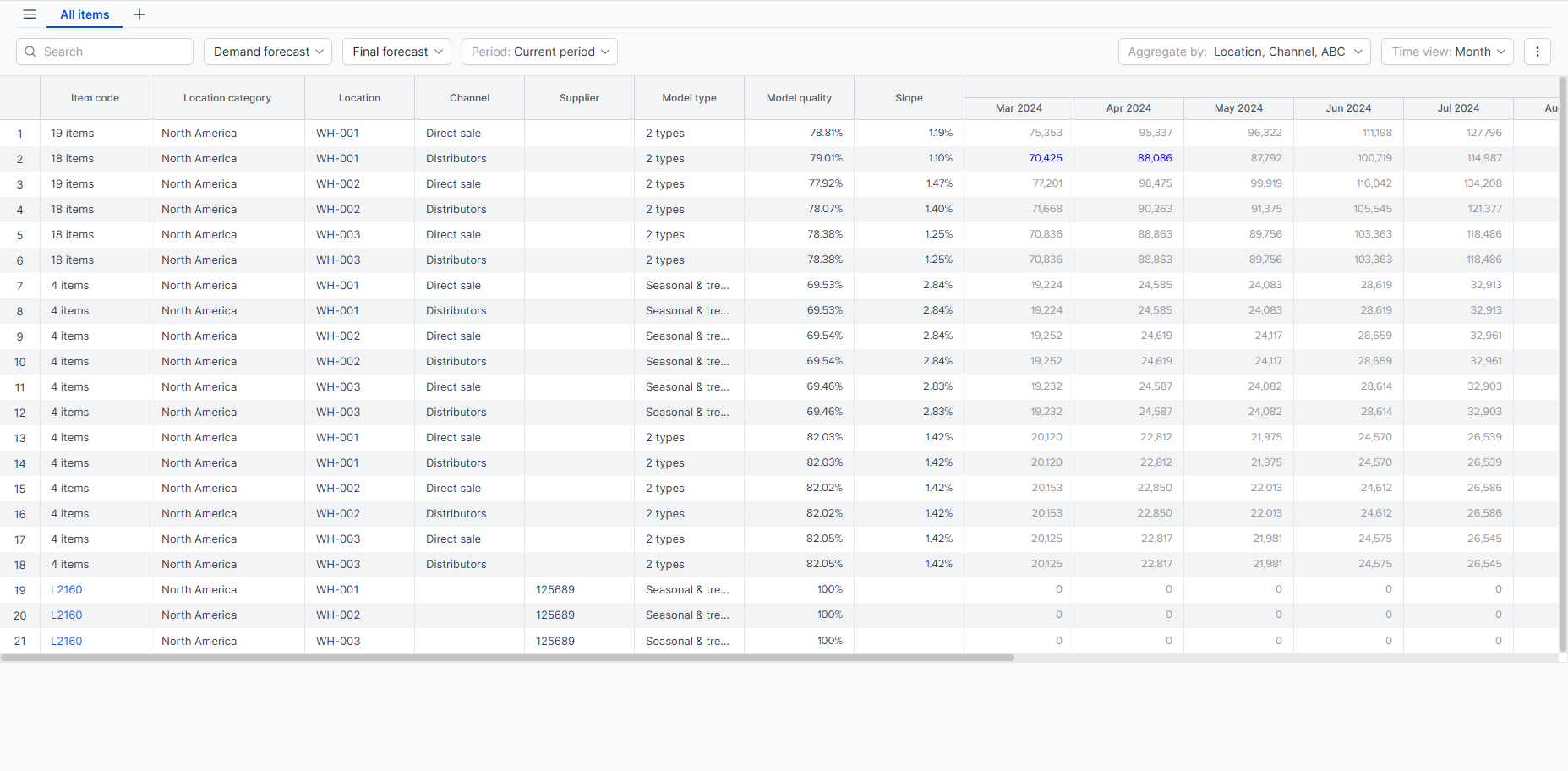
Seasonal Planning
Anticipate recurring peaks and holidays automatically, using detected seasonal patterns to cover even products with limited history of their own.
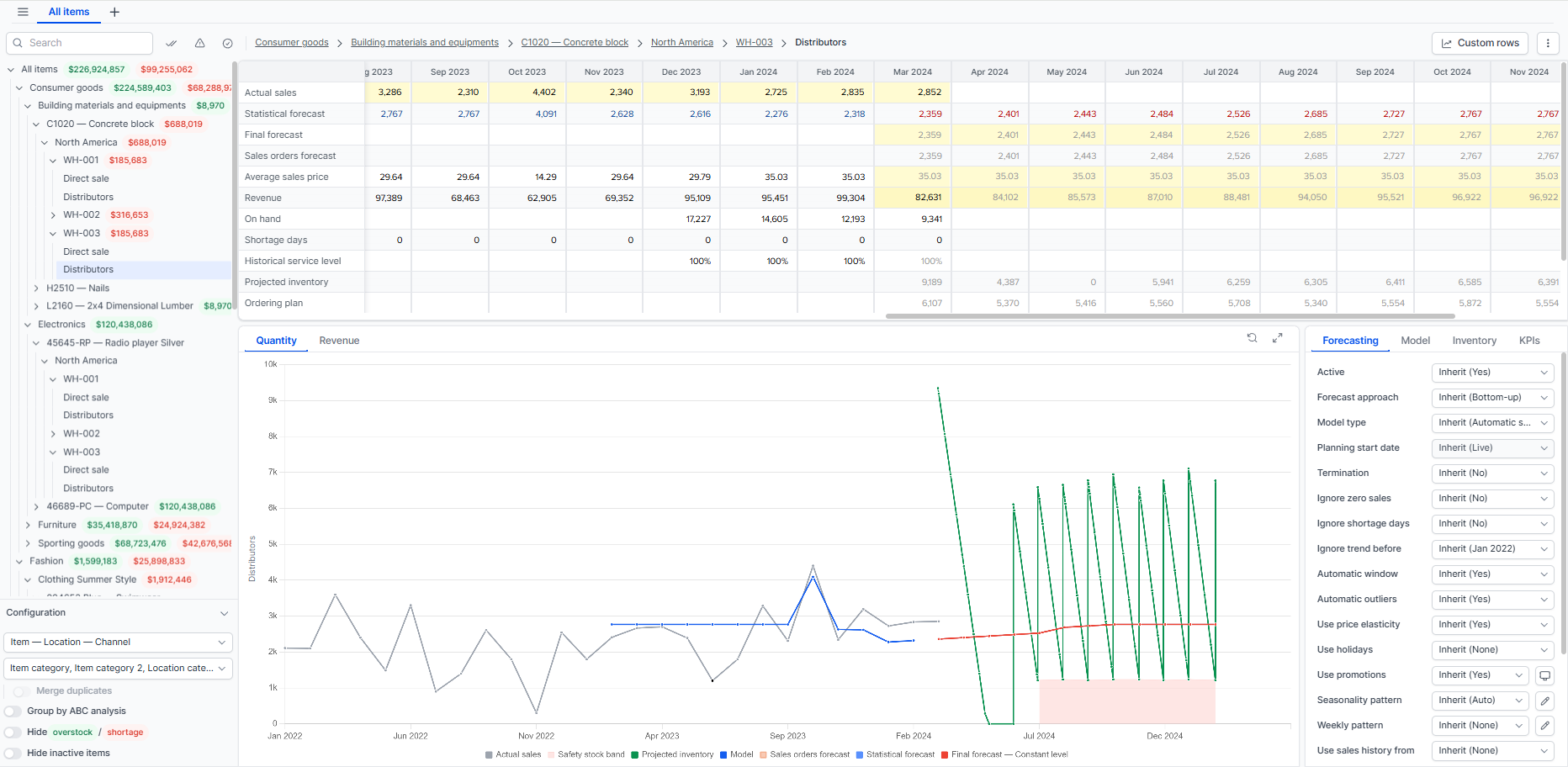
Channel-Based Planning
Preserve demand differences across SKU, locations and sales channels to give planners visibility into exactly where to act.
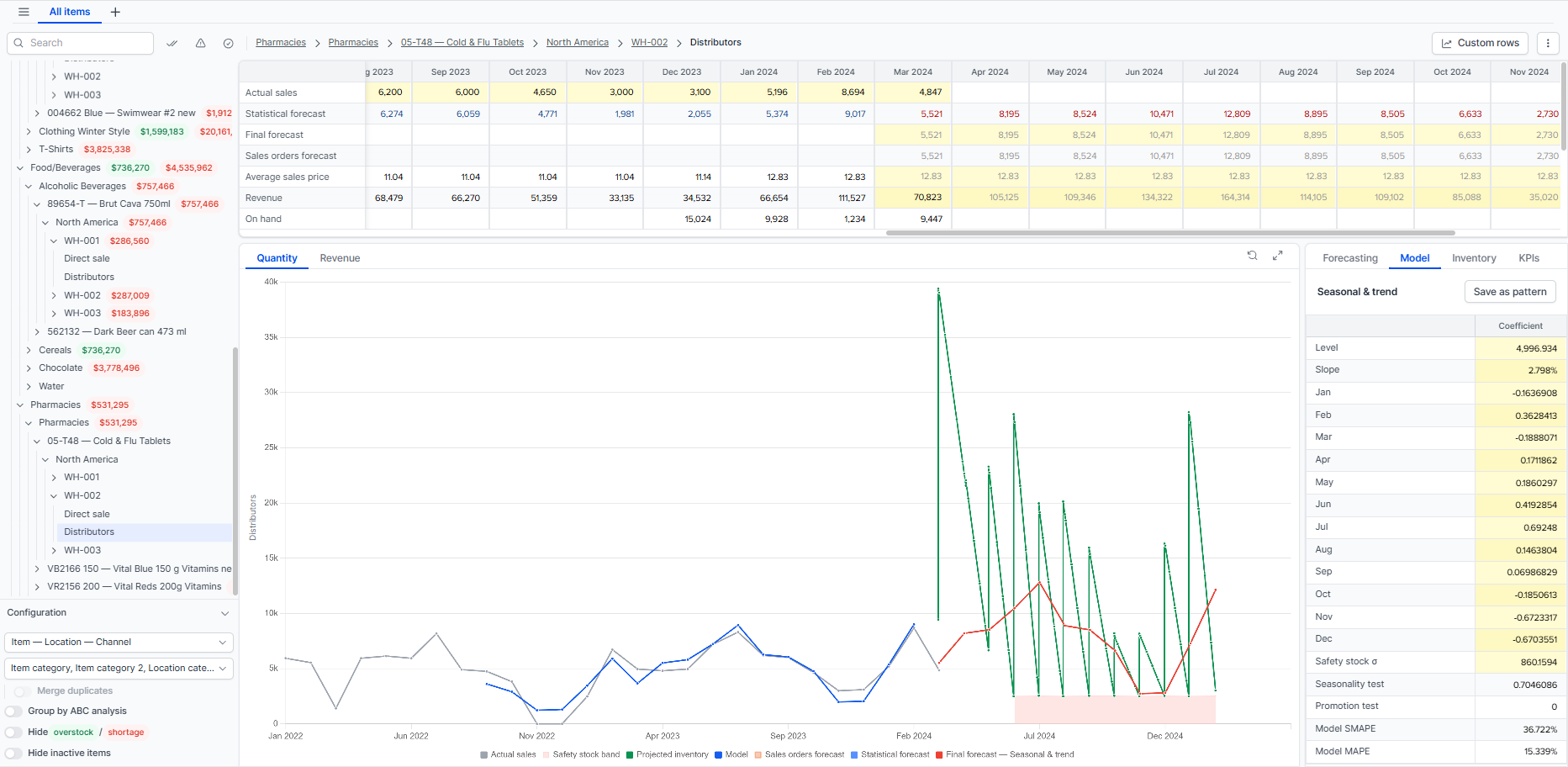
New Product Introduction (NPI) Planning
Launch new products with a credible day-one forecast by inheriting the demand pattern of the closest comparable item.
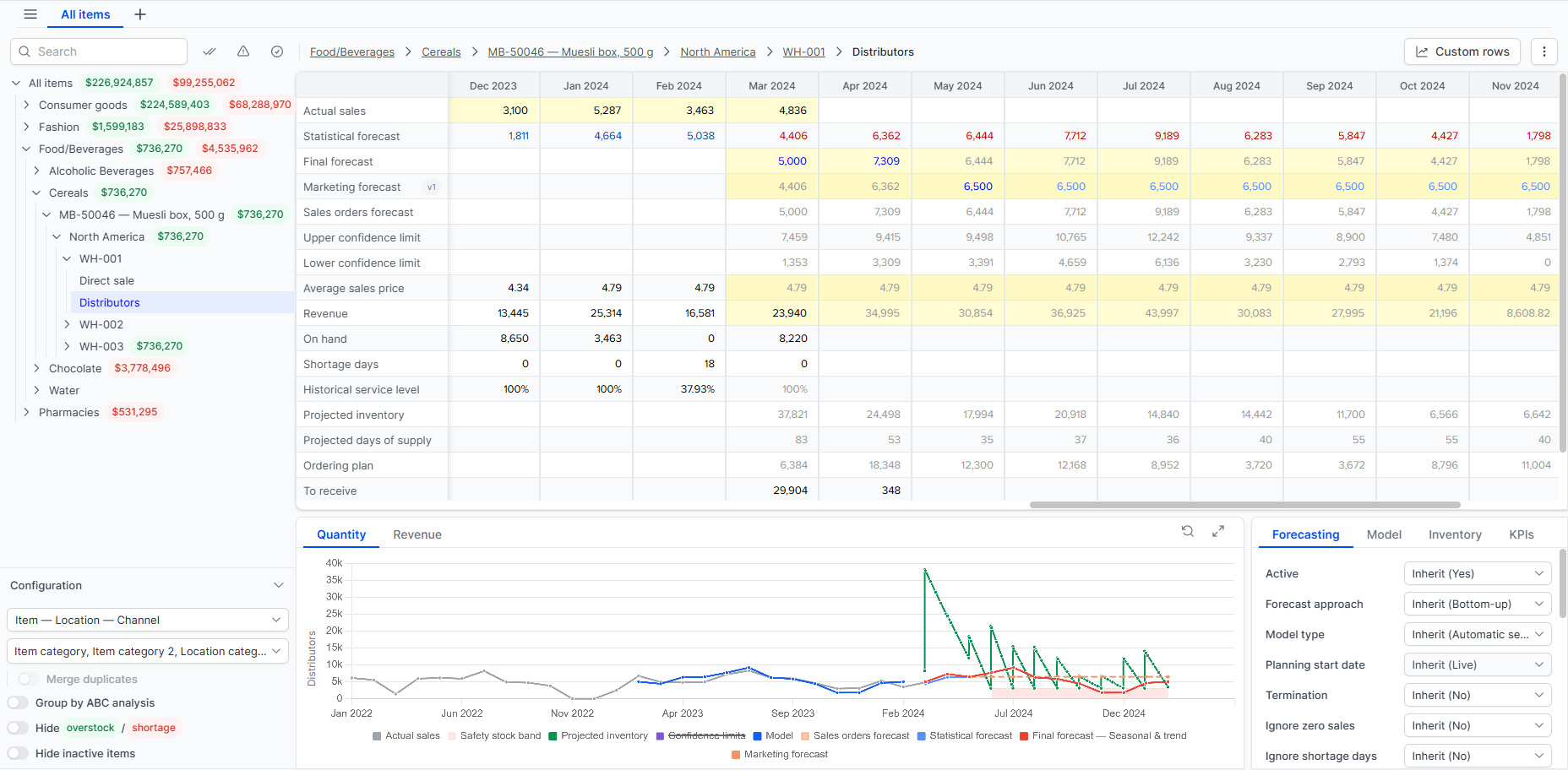
Collaborative Demand Planning
Give supply planning a trustworthy, locked-in forecast to work from while demand teams keep refining what comes next.
Improve planner productivity and control over the forecast
Reduce recurring model work while keeping inventory exposure, planning access, and manual changes visible throughout review.
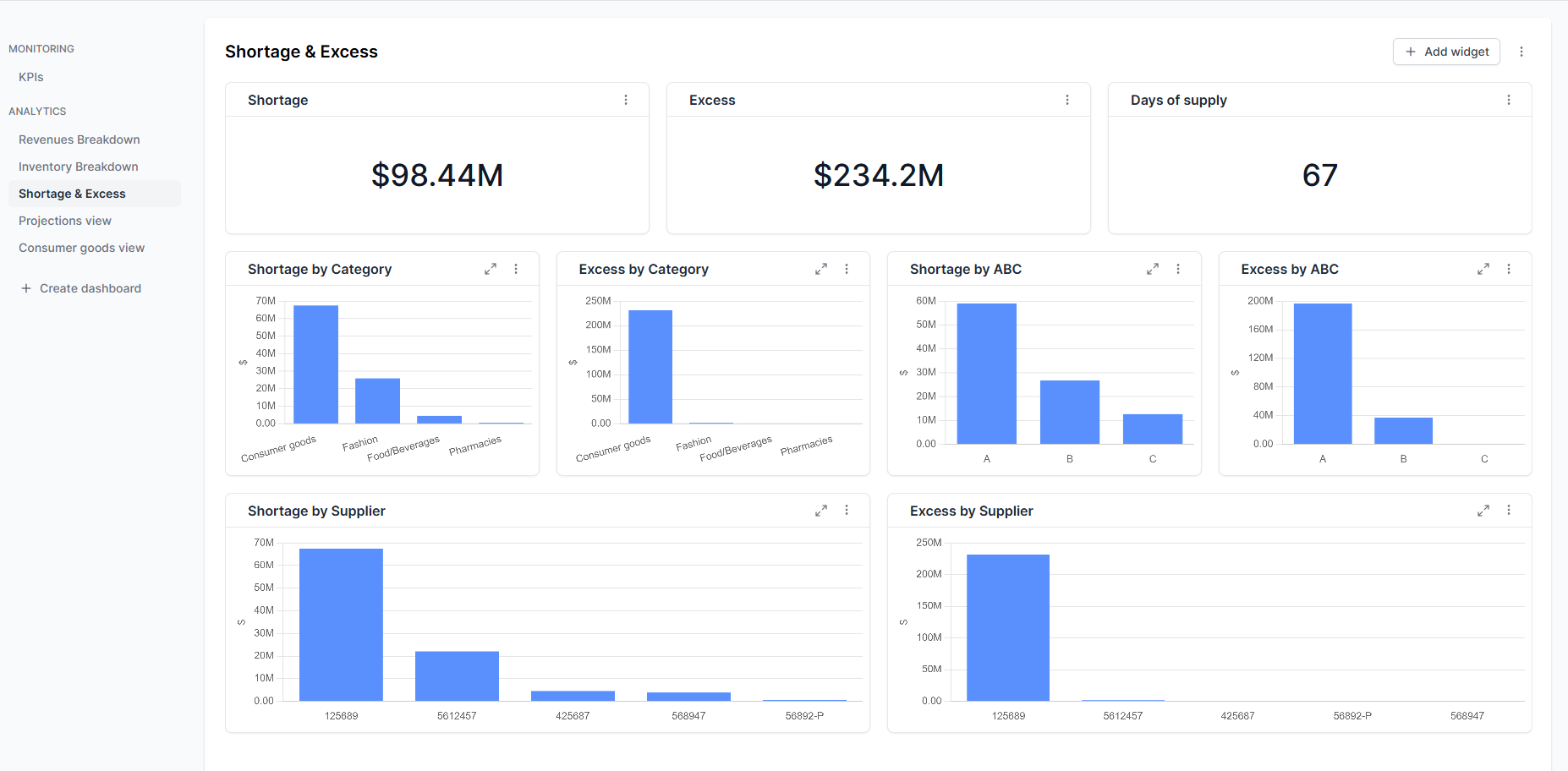
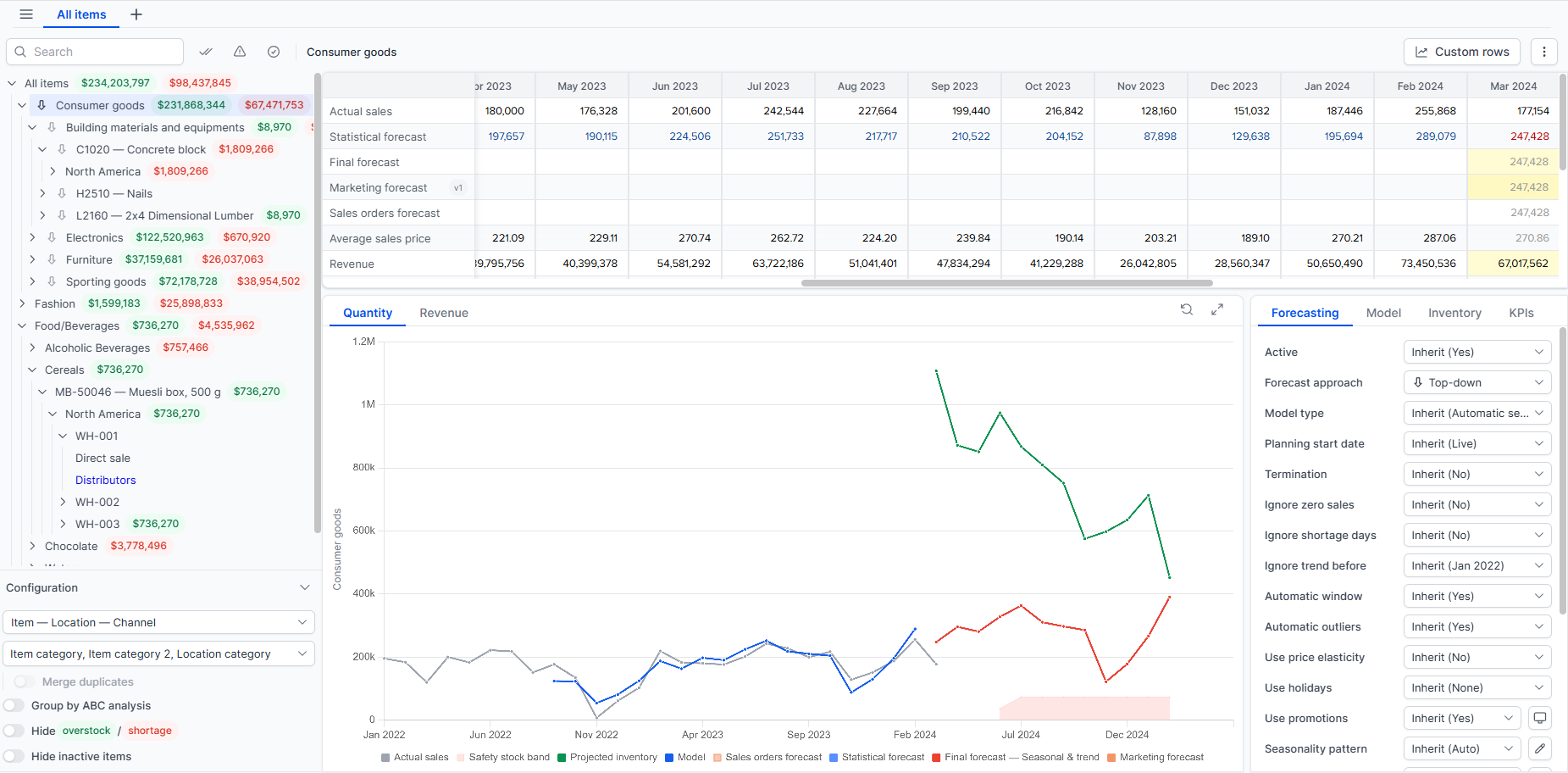
Automate demand-pattern recognition and model selection across the portfolio so planners can concentrate on exceptions and adjustments.
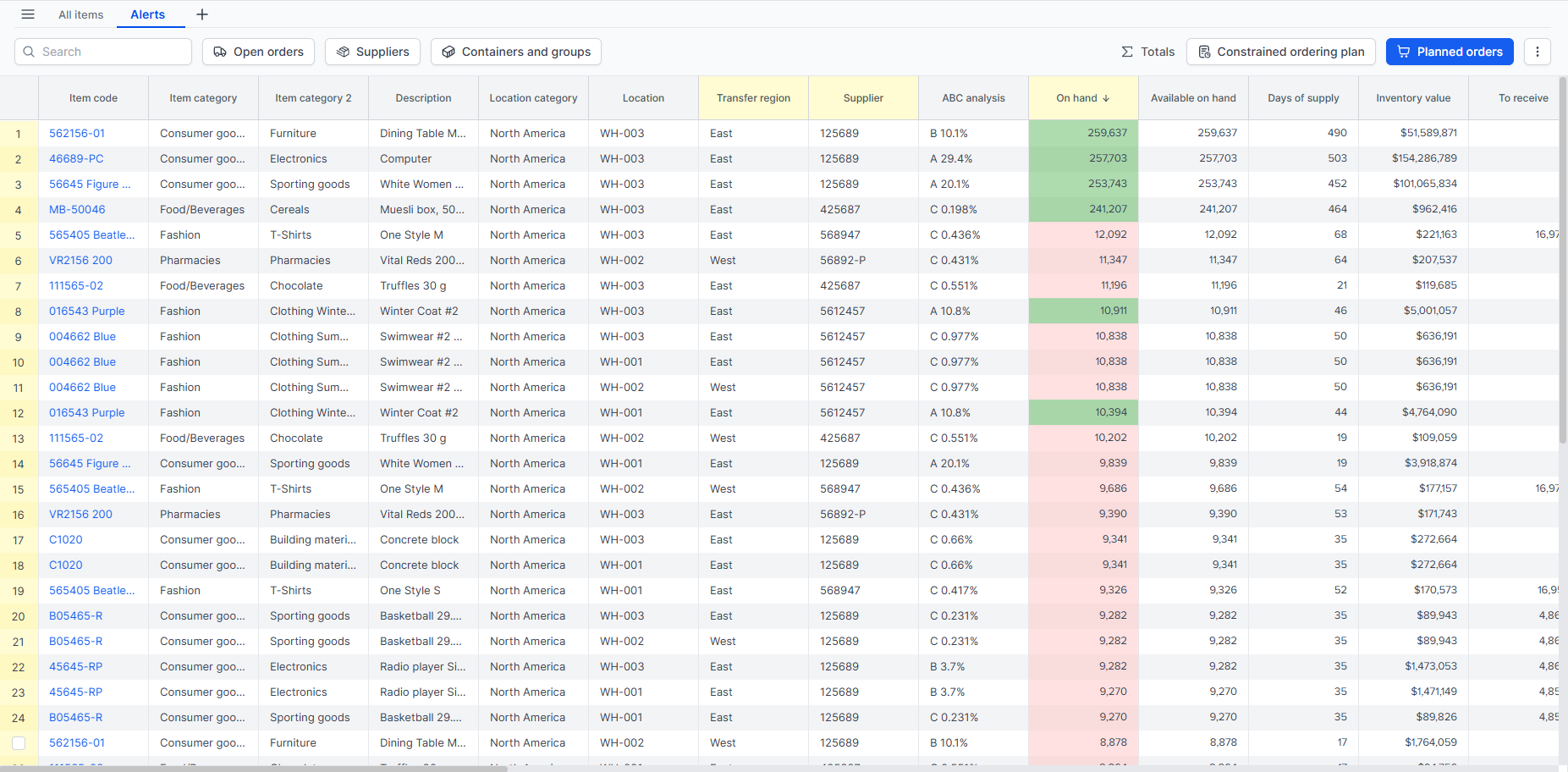
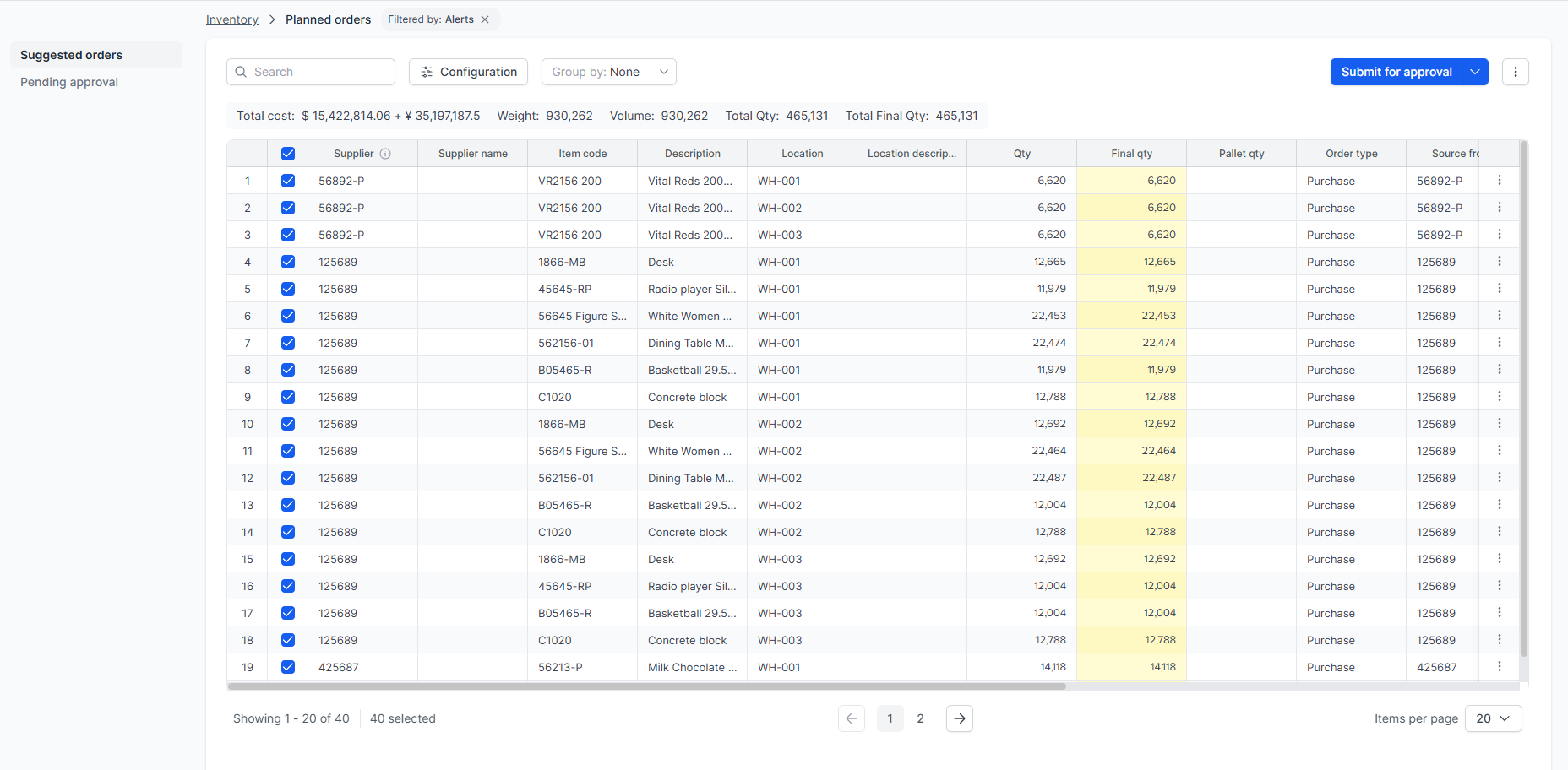
Review projected stock positions and replenishment requirements alongside demand in product quantities or monetary terms.
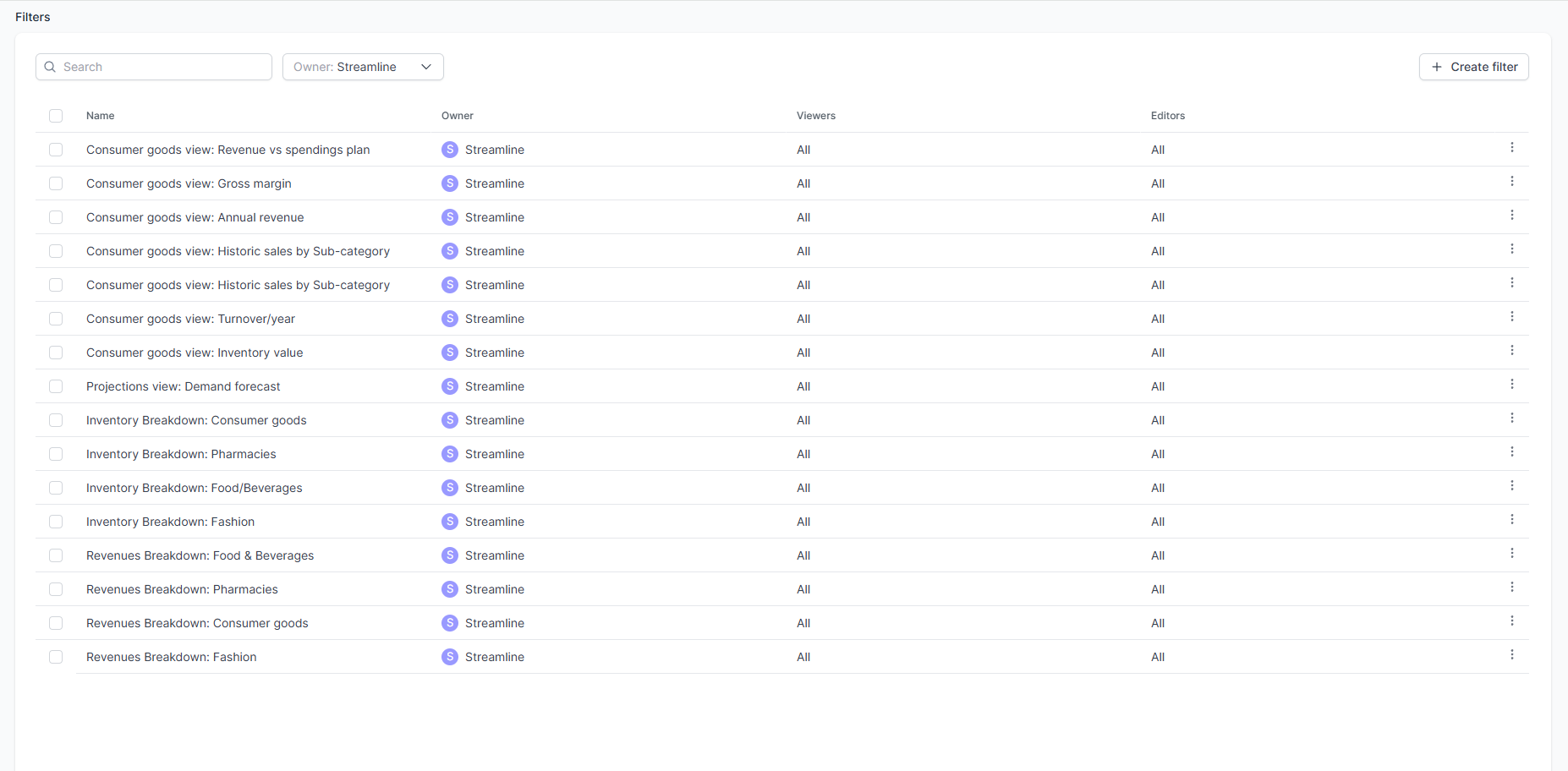
Use role-based permissions and custom catalogs to assign access by product, location, sales channel, or another planning dimension.
Apply consistent accuracy measures to determine whether manual changes improved forecast performance.
Driving 82%+ DC-Level SKU Forecast Accuracy Across a Coffee Distribution Network
“We achieved over 82% forecast accuracy, reduced inventory while maintaining service levels, and gave our sales team the visibility to proactively retain customers."”

Srikanth Katuru
Vice President and Head of IT, Farmer Bros

See where the forecast is accurate, adjusted, or uncertain
Use consistent reports to identify where forecast performance needs attention and quantify the expected variation around future demand.
Measure forecast accuracy
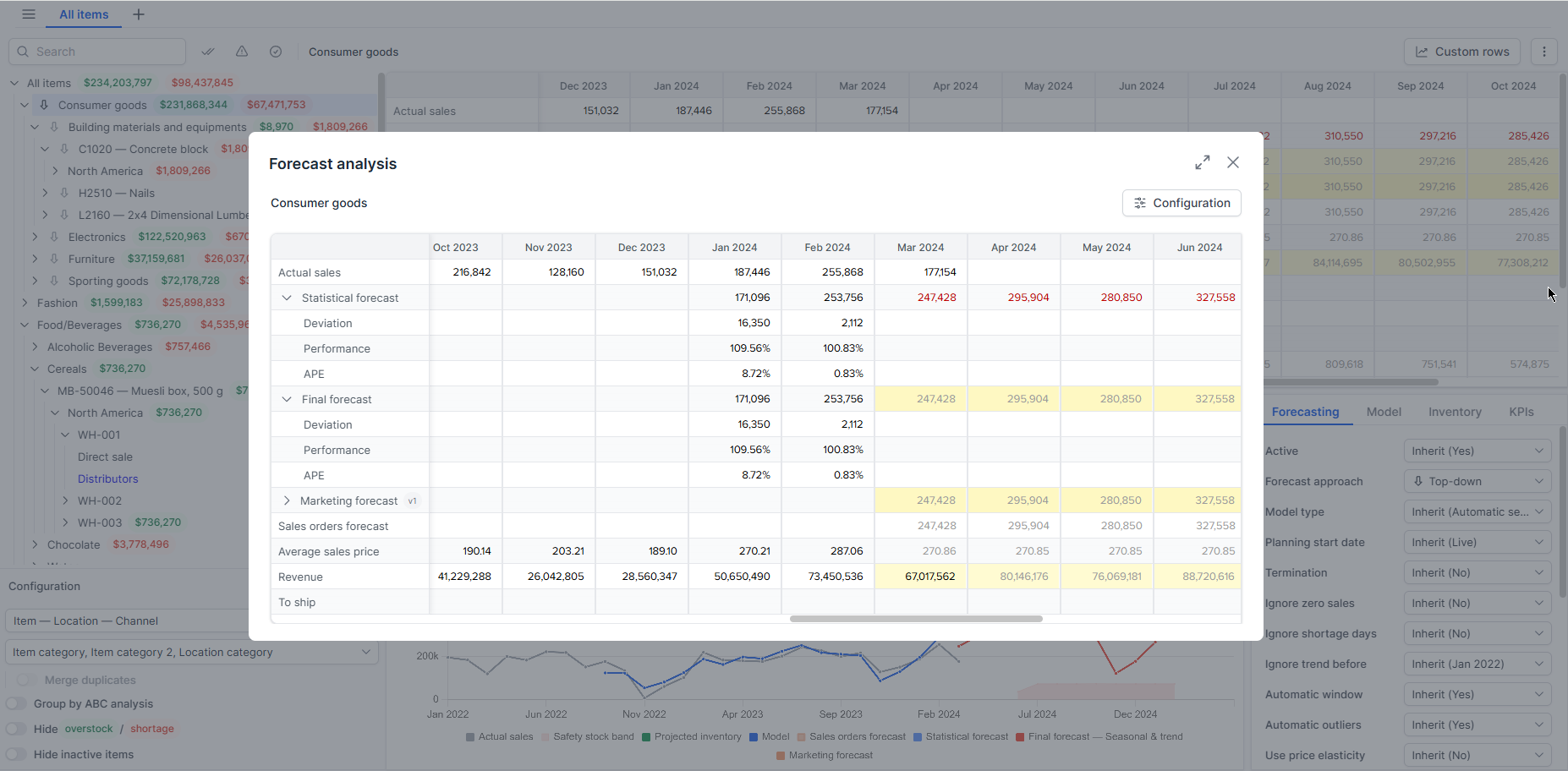
Evaluate forecast performance with APE, MAPE, SMAPE, and weighted MAPE across products, categories, and planning periods, so your team can pinpoint where accuracy is slipping and prioritize corrective action where it matters most.
Compare forecasts with actual sales
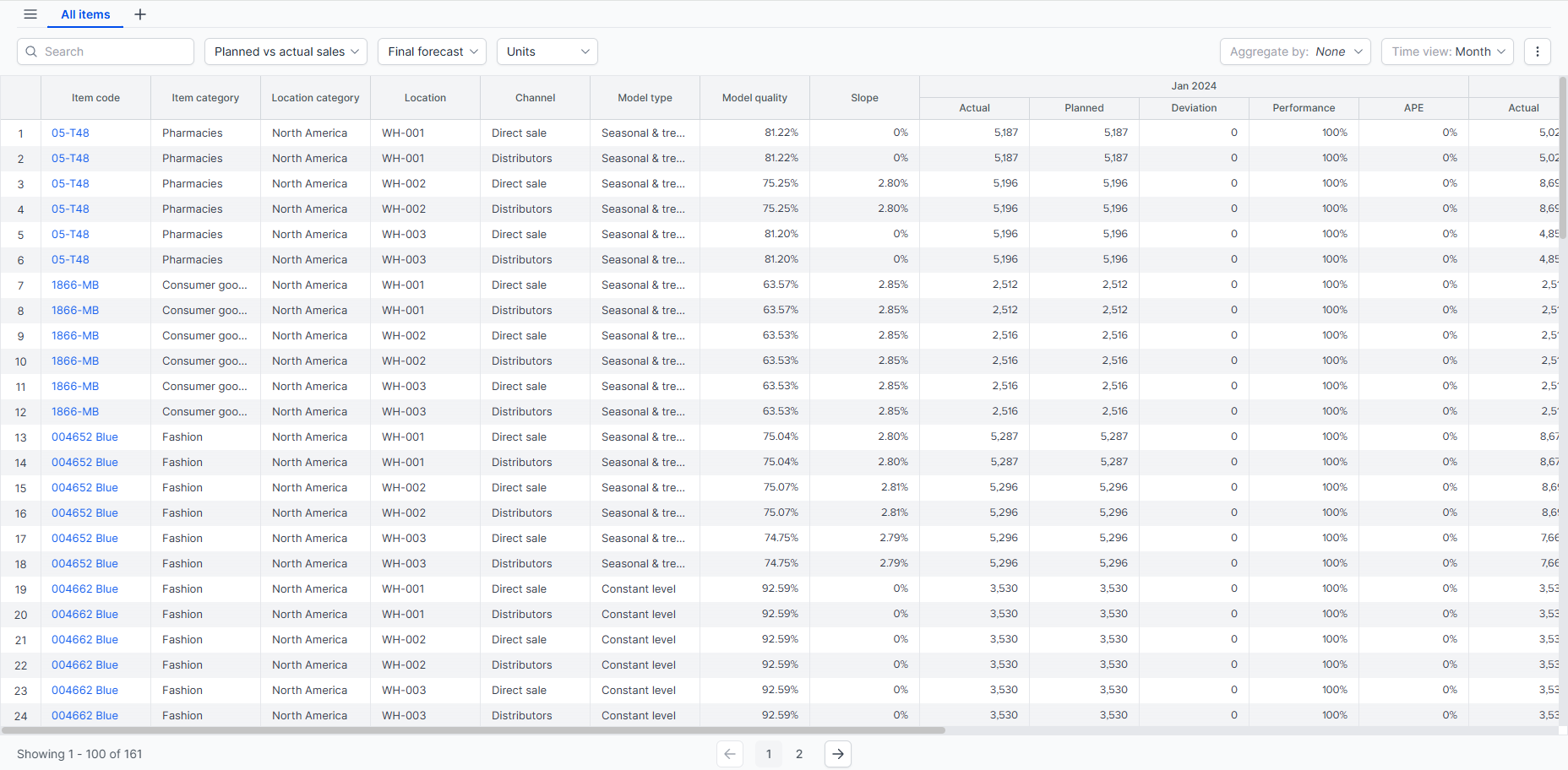
Employ planned-versus-actual reporting to identify where sales differ from the forecast, track how closely demand plans hold up over time, and surface recurring gaps before they affect downstream supply decisions.
Review forecast adjustments
Compare statistical, final, and custom forecast versions side by side to see exactly where and why planner overrides changed projected demand, building a clear audit trail that shows whether manual changes helped or hurt the plan.
Assess forecast uncertainty
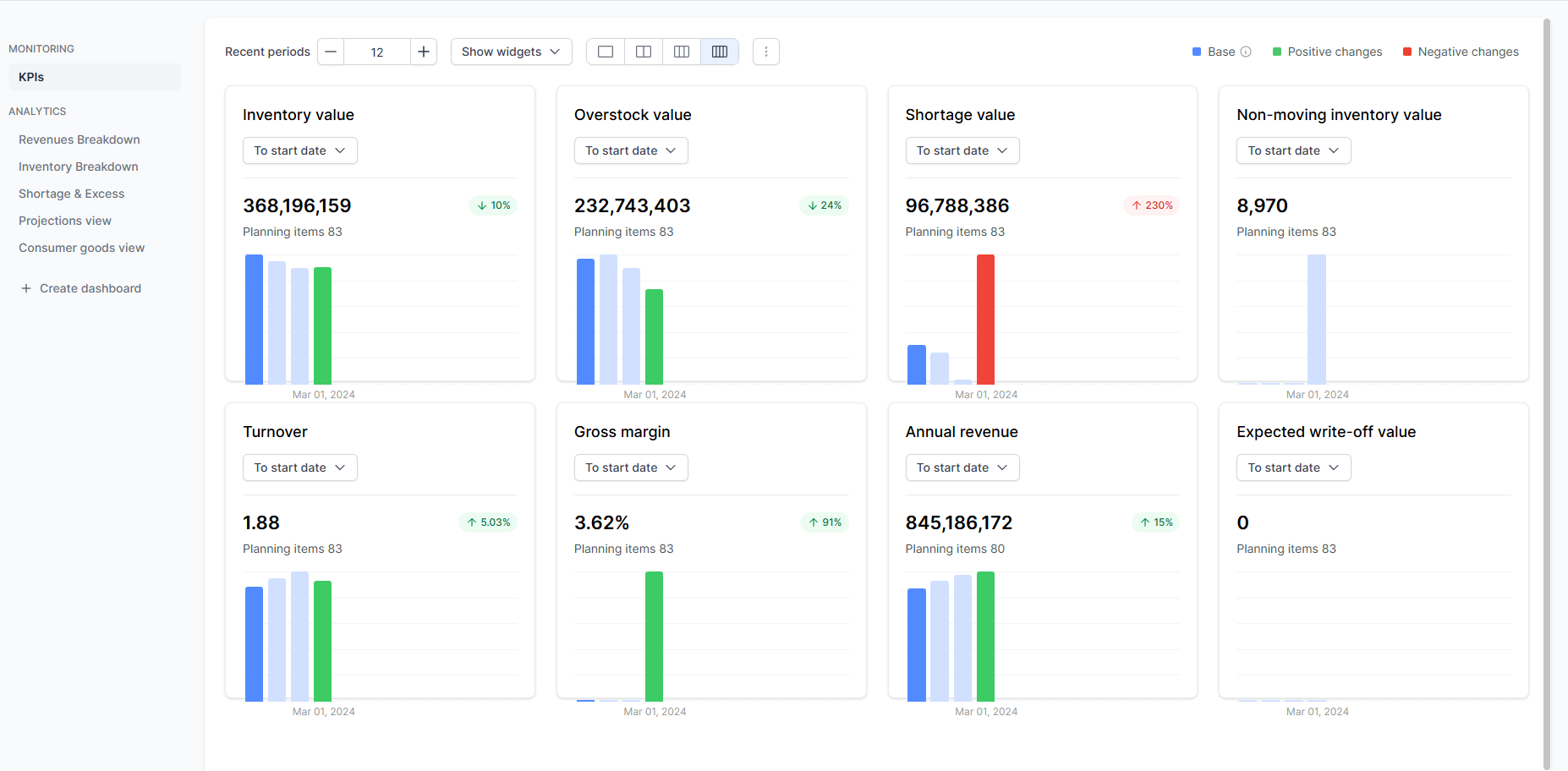
Apply configurable confidence limits to understand the potential variation around future demand projections, helping team members gauge how much a forecast might shift and set safety stock or buffer levels accordingly.