The Potential Impact of U.S. Tariffs on European Businesses
How It Will Disrupt European Supply Chains and Key Steps Companies Can Take
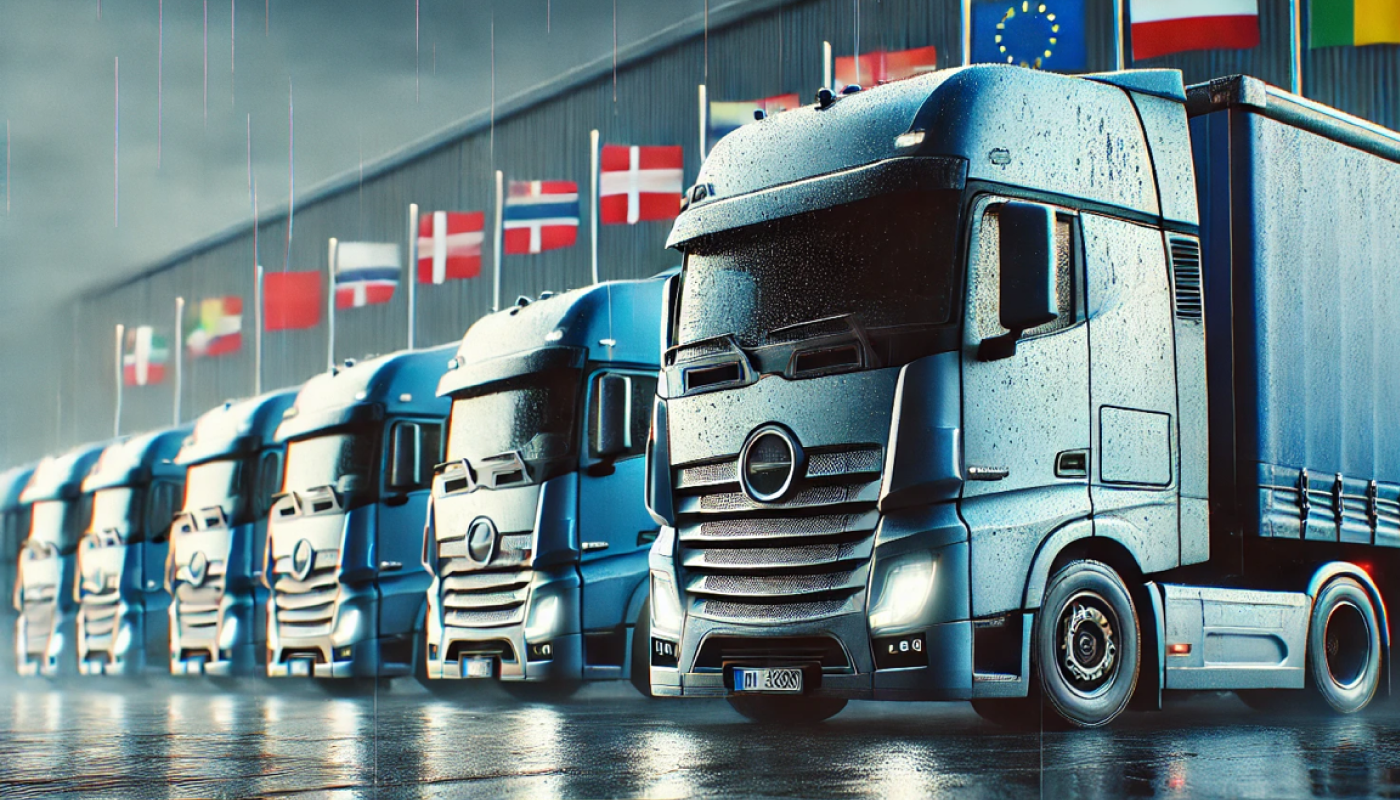
The looming threat of new U.S. tariffs on European goods has created a climate of uncertainty in the global trade landscape. With the U.S. threatening to impose tariffs on European products, particularly in sectors like automotive, agriculture, and technology, European businesses must brace for the potential impact on their operations. These tariffs, if imposed, would disrupt established supply chains, increase costs, and potentially dampen demand for European goods in the U.S. market.
While Europe must remain open to diplomatic negotiations with the U.S., it must also take proactive steps to protect its industries, maintain competitiveness, and ensure the stability of its supply chains. This article explores the potential impact of U.S. tariffs on European businesses and provides actionable strategies that companies in Europe should adopt to prepare for the possibility of a trade war with the U.S.
The Potential Impact of U.S. Tariffs on European Businesses
If the U.S. follows through with the threat to impose tariffs on European goods, the impact will likely be far-reaching. The U.S. is one of Europe’s largest trading partners, and a significant portion of European exports is destined for U.S. markets. A sudden increase in tariffs could affect various industries, including automotive, agriculture, technology, and luxury goods. These tariffs could result in higher prices, reduced competitiveness, and slowed economic growth for European businesses.
1. Increased Costs and Reduced Competitiveness
U.S. tariffs on European goods will result in higher prices for many products imported into the U.S., including cars, machinery, and agricultural goods. This will reduce the competitiveness of European products in the U.S. market, as U.S. consumers and businesses may turn to cheaper alternatives. For example, European car manufacturers could see a decline in sales due to increased prices on vehicles exported to the U.S.
Similarly, agricultural products such as wine, cheese, and meats from Europe may become more expensive in the U.S. market, reducing demand for these items. As tariffs increase, the cost of raw materials, components, and finished products could also rise, leading to higher production costs for European manufacturers.
2. Supply Chain Disruptions
Europe is an integral part of the global supply chain, and the imposition of U.S. tariffs would disrupt the smooth flow of goods between the U.S. and European businesses. Many industries rely on just-in-time inventory models, where products and components arrive from international suppliers just when they are needed in the production process. The additional costs and delays associated with tariffs could lead to production slowdowns, inventory shortages, and increased lead times.
For example, European manufacturers of consumer electronics or automotive parts that depend on U.S.-based components may experience supply chain bottlenecks as the cost of U.S. raw materials or parts increases. In turn, businesses may be forced to reconsider their sourcing strategies or find alternative suppliers, which could lead to increased production costs and potential delays in product delivery.
3. Decreased Demand and Economic Slowdown
The increase in tariffs could also have a broader effect on European economic growth. Higher prices and reduced demand for European goods could result in lower export revenues, affecting industries such as manufacturing, agriculture, and technology. This decrease in demand could lead to a reduction in production, layoffs, and a slower rate of investment in key sectors. Additionally, the uncertainty surrounding trade relations with the U.S. could dampen consumer confidence and spending, further slowing economic activity in Europe.
Steps European Businesses Should Take to Prepare
Given the uncertainty surrounding U.S. tariffs and their potential impact on European businesses, it is essential for companies to prepare for various scenarios. While diplomacy and negotiation remain important, businesses must also take proactive measures to protect their operations. Here are three key steps European businesses should take to mitigate the impact of tariffs and ensure their competitiveness:
1. Diversify Supply Chains and Markets
One of the most effective strategies for mitigating the impact of U.S. tariffs is to diversify both supply chains and markets. By reducing reliance on the U.S. market and sourcing from alternative suppliers, businesses can reduce their exposure to tariff-induced disruptions.
Diversify Suppliers: European businesses that rely heavily on U.S. suppliers should consider sourcing goods and components from other regions, such as Asia, Latin America, or Africa. Diversifying supply sources will allow businesses to mitigate the risk of tariff increases on U.S. imports. For example, a European manufacturer that depends on U.S. steel may consider sourcing from countries not affected by tariffs, such as Canada or Japan.
Explore New Markets: European businesses should also look for new markets outside of the U.S. for their goods and services. Emerging markets in Asia, Africa, and Latin America present opportunities for European businesses to expand their customer base and reduce dependency on the U.S. market. By tapping into these growing markets, companies can hedge against the risks posed by U.S. tariffs and continue to grow their export revenues.
2. Invest in Technology and Automation
As tariffs increase the complexity of supply chain management, European businesses must embrace technology and automation to stay competitive. Digital tools can help businesses streamline operations, optimize inventory, and gain better visibility into their supply chains, enabling them to react quickly to changes in demand and supply.
AI-Driven Supply Chain Planning: Investing in AI-driven demand forecasting and supply chain management software can help European businesses improve their decision-making processes. By using AI tools like Streamline, companies can predict the impact of tariffs on supply chain costs, identify alternative suppliers, and optimize production schedules to reduce disruptions. These platforms can also provide real-time insights into demand fluctuations, allowing businesses to adjust their inventory levels and pricing strategies accordingly.
Automation for Efficiency: Automation technologies, such as robotic process automation (RPA) and smart logistics systems, can improve supply chain efficiency and reduce operational costs. By automating repetitive tasks and optimizing warehouse management, businesses can lower their production costs and improve product delivery times, offsetting some of the higher costs resulting from tariffs.
3. Engage in Strategic Negotiation and Lobbying
In addition to taking operational measures, European businesses should actively engage in strategic negotiations and lobbying efforts to influence trade policy. Collaborating with industry associations, trade groups, and government bodies will be crucial in advocating for favorable trade policies and seeking exemptions or reductions in tariffs.
Collaborate with Government Agencies: European businesses should work closely with government officials to communicate the impact of U.S. tariffs on their operations. By providing data and evidence of the economic consequences, businesses can help shape policies that protect European industries from unfair tariff impositions.
Engage in Diplomatic Efforts: The European Union should continue its diplomatic efforts to resolve trade issues with the U.S. and negotiate tariff reductions. Through discussions with the U.S. government, the EU may be able to secure exemptions or create trade agreements that minimize the impact of tariffs on European businesses.
Conclusion
The looming threat of U.S. tariffs against European goods presents significant challenges for European businesses. The potential increase in costs, supply chain disruptions, and decreased demand for European products in the U.S. market requires businesses to act quickly and strategically. By diversifying supply chains and markets, investing in technology and automation, and engaging in strategic lobbying and negotiations, European companies can mitigate the risks posed by tariffs and continue to thrive in the global marketplace.
The ability to respond proactively to trade tensions and adapt to new realities will determine how well European businesses weather the impact of U.S. tariffs. By taking these steps, European companies can not only safeguard their operations but also position themselves for long-term success in an increasingly complex global trade environment.