The Impact of U.S. Tariffs on China
How U.S. Tariffs on China Impact Businesses and What Companies Should Do to Adapt
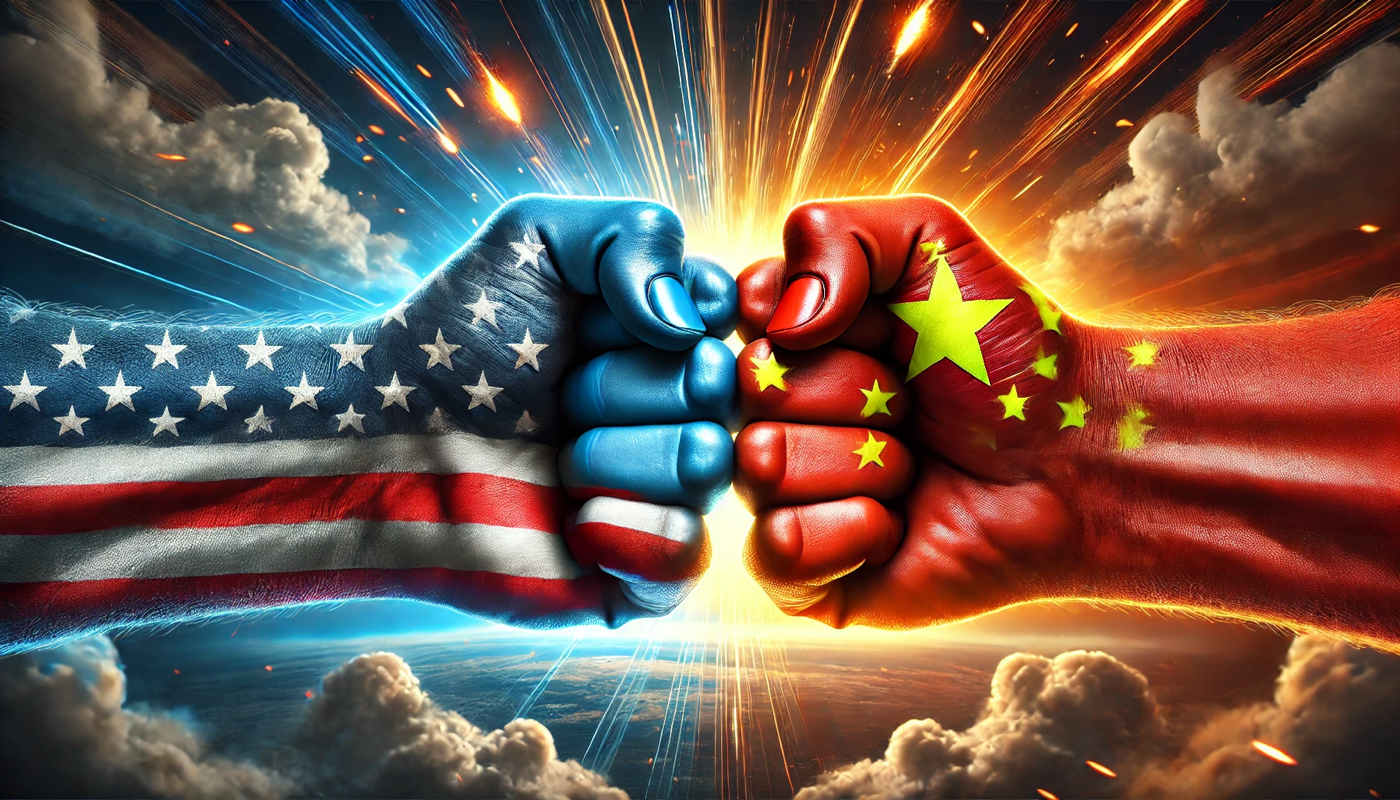
The ongoing trade war between the United States and China has seen another intensification under the Biden administration, as new tariffs on Chinese imports were imposed. While these tariffs continue a pattern set by President Trump’s administration, they come with notable differences that may have broader consequences for U.S. businesses, especially in the consumer and manufacturing sectors. Understanding how these tariffs impact businesses and what steps companies can take to adjust is crucial for navigating the evolving global trade landscape.
The New Tariffs on China: Key Details and Business Impacts
The new tariffs on China, part of ongoing trade measures, aim to address national security concerns and protect U.S. industries from what the government perceives as unfair trade practices. These tariffs, which apply to a wide range of Chinese goods, include a new 10% duty, in addition to the previously imposed 25% tariffs under Section 301. As a result, businesses importing goods from China may face increased costs, which could lead to higher prices for consumers. The broader goal of these tariffs is to reshape U.S.-China trade relations and reduce reliance on Chinese imports, but they also present challenges for businesses, particularly those in sectors heavily dependent on affordable Chinese goods.
1. Consumer Impact: Rising Costs for U.S. Households
The immediate impact of these tariffs is felt by consumers. In 2018, the first round of tariffs on Chinese imports added approximately $14 billion in additional costs to U.S. consumers. Under the new tariffs, the elimination of the de minimis rule means that even small-value packages will now be subject to duties. This has the potential to significantly increase the cost of consumer products, particularly for e-commerce shoppers who buy goods from Chinese sellers.
For example, a typical $50 product purchased online from China could now incur additional costs of up to 35%, making the overall cost of these goods rise significantly. These increased costs will likely be passed on to consumers, putting additional pressure on household budgets, particularly for lower- and middle-income families that rely on affordable imported goods.
2. National Security Concerns: Legal and Strategic Ramifications
The U.S. has invoked the International Emergency Economic Powers Act (IEEPA) to implement these tariffs, which is a significant shift from the previous administration’s reliance on Section 301 of the Trade Act. This law, traditionally used for export controls and economic sanctions, allows the president to impose tariffs quickly and with fewer procedural steps, citing national security concerns.
This move has raised legal questions, with some reports indicating that legal challenges may arise regarding the use of IEEPA for tariffs. However, the Trump administration’s use of this tool signals a broader strategy aimed at addressing what the U.S. sees as unfair competition from China, particularly in sectors like technology and intellectual property. Businesses may face uncertainty in the long term as legal challenges unfold, creating risks for companies reliant on Chinese imports.
3. China’s Retaliatory Measures: Impact on U.S. Industries
In response to the new tariffs, China has also imposed tariffs on U.S. goods, including coal, natural gas, crude oil, and agricultural machinery. These retaliatory measures are set to take effect on February 10, and businesses in the U.S. should brace for disruptions. U.S. industries such as energy, agriculture, and automotive are likely to feel the pinch as Chinese demand for key American exports, such as crude oil and agricultural machinery, may decrease.
This escalation highlights the ongoing unpredictability in U.S.-China trade relations and the broader implications for global supply chains. U.S. companies that export to China should monitor these retaliatory measures closely, as they could lead to higher production costs, reduced demand, and delays in shipments.
How Businesses Should Respond: Three Key Steps
The renewed tariffs and escalating trade tensions between the U.S. and China create a volatile business environment. To navigate these changes effectively, U.S. companies should take proactive steps to mitigate the impact of the tariffs and safeguard their operations.
1. Diversify Supply Chains and Sourcing Strategies
One of the most immediate steps businesses should take is to diversify their supply chains and reduce dependence on Chinese imports. While China remains a key supplier for many U.S. businesses, the tariffs increase the cost of Chinese goods, making it essential to explore alternative suppliers.
Companies should consider sourcing from other low-cost manufacturing regions, such as Southeast Asia, India, or Latin America, to reduce their exposure to tariff-related disruptions. Diversifying suppliers will not only help mitigate the impact of tariffs but also increase business resilience by spreading risk across multiple regions. For instance, businesses in the electronics or consumer goods sectors that rely heavily on Chinese suppliers can look to countries like Vietnam, Thailand, or Mexico for alternative sources of supply.
Additionally, businesses should assess their existing supplier relationships and collaborate closely with suppliers to find cost-effective alternatives, optimize inventory, and negotiate better terms to offset the increased costs from tariffs.
2. Optimize Inventory Management and Pricing Strategies
With the tariffs directly impacting the cost structure of products, businesses should reassess their inventory management strategies. To minimize the effect of higher tariffs, companies may consider increasing inventory levels for Chinese-sourced products in the short term, before tariffs fully impact their bottom lines. However, businesses must be cautious of overstocking, which can lead to increased storage costs and unnecessary financial burden.
At the same time, companies need to reassess their pricing strategies to ensure that they are covering the added costs of the tariffs. While raising prices on products can help offset the higher tariffs, businesses must carefully consider the competitive landscape and the impact on consumer demand. For example, in consumer goods industries, where price sensitivity is high, passing on the entire cost of the tariffs may result in a decline in sales volume. Companies may need to strategically adjust prices and offer value-added incentives to retain customers while managing the tariff impact.
Using data analytics and AI-driven demand forecasting tools can also help businesses make better-informed decisions about inventory levels, pricing, and customer demand, reducing the risk of overstocking or underpricing.
3. Leverage Technology and Supply Chain Planning Software
In a rapidly changing trade environment, businesses can greatly benefit from leveraging advanced technology and supply chain planning software to better manage the complexities introduced by tariffs. AI-driven supply chain management tools, such as Streamline, allow companies to gain real-time insights into their supply chains, optimize sourcing decisions, and improve inventory management.
For instance, AI-based platforms can predict the potential impact of new tariffs on supply costs, suggest alternative suppliers, and recommend changes to production schedules to minimize disruptions. These technologies can also provide valuable insights into customer demand, enabling businesses to adjust their operations quickly and efficiently in response to market fluctuations caused by tariffs.
By implementing AI-driven tools, companies can not only mitigate the risks associated with tariffs but also gain a competitive advantage by making data-driven decisions that enhance supply chain efficiency and reduce operational costs.
Conclusion
The new U.S. tariffs on China, along with China’s retaliatory measures, present significant challenges for businesses across various sectors. Increased costs, supply chain disruptions, and potential legal uncertainty create an environment where companies must be proactive in managing their operations. By diversifying supply chains, optimizing inventory and pricing strategies, and leveraging technology like AI-driven supply chain software, businesses can effectively navigate the uncertainties introduced by these tariffs and emerge more resilient in a rapidly changing global trade landscape.
Adapting to these new realities will require flexibility, strategic planning, and a commitment to ongoing supply chain innovation. Those who can respond quickly to these changes will be better positioned to weather the storm and continue growing in the face of escalating trade tensions.